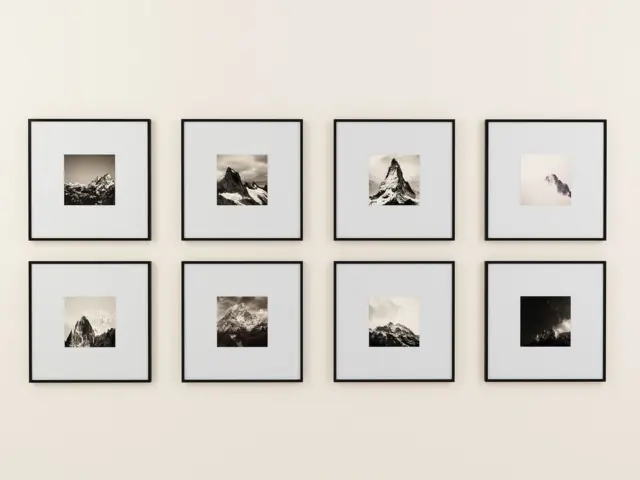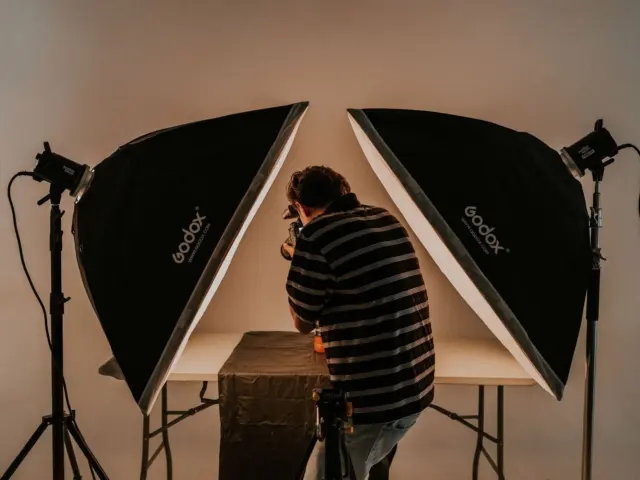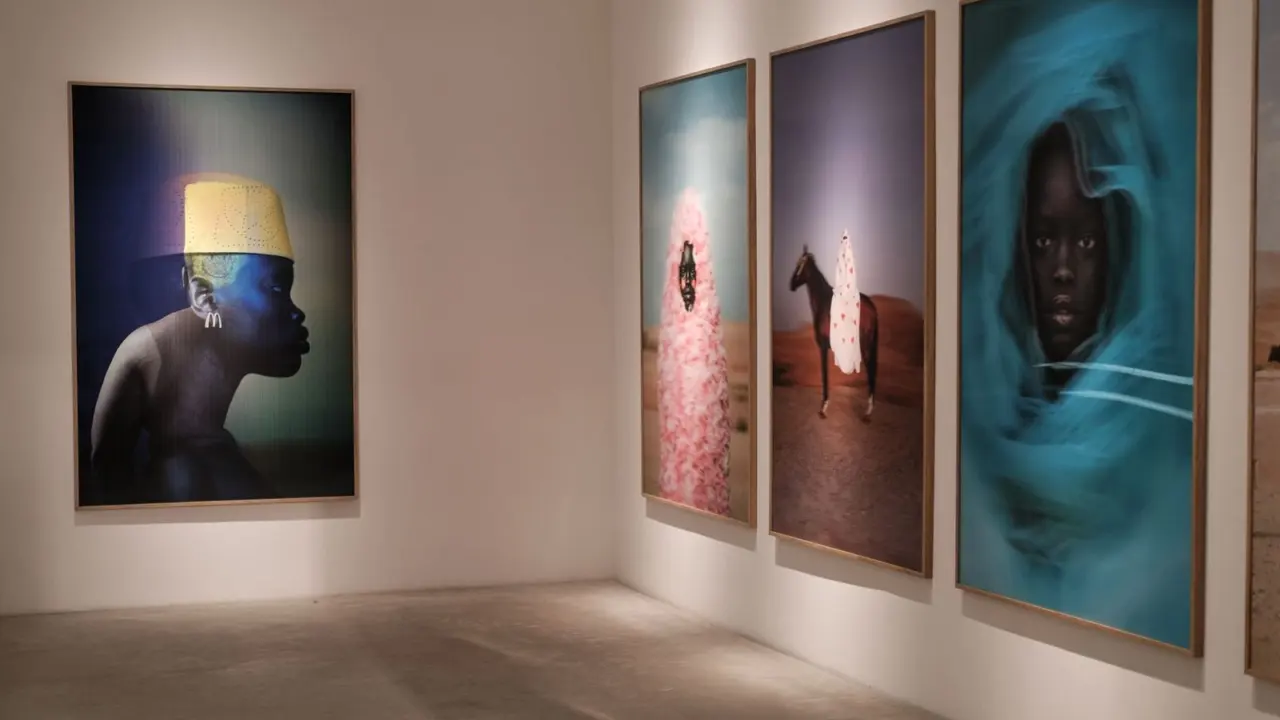
Wondering where fine art photography ends and ordinary picture-taking begins? You’ll find the line is intent: it is photography made to express an idea, a message or an emotion, not to record a scene or sell a product.
| Milestone | Fact |
|---|---|
| Alfred Stieglitz makes The Steerage | Year 1907 |
| MoMA establishes a department of photography | Year 1940 |
| Stieglitz donates photographs to the Boston Museum of Fine Arts | 27 photographs, in 1924 |
| Diane Arbus becomes the first photographer to exhibit at the Venice Biennale | Year 1972 |
These dates come from Wikipedia’s entry on fine-art photography and My Modern Met’s profile of fine art photographers. Sources get revised and can disagree, so check the source before you rely on any figure.
What fine art photography actually is
Fine art photography is photography created in line with the photographer’s vision, using the camera as a medium for creative expression. According to Wikipedia, its goal is to express an idea, a message or an emotion.
That sets it apart from two neighbours. Representational work such as photojournalism gives a documentary account of specific subjects and events, while commercial photography has a primary focus of advertising products or services.
- Fine art: the photographer’s own intent leads, and the picture exists to say something.
- Documentary: a visual account of specific subjects and events.
- Commercial: a primary focus on advertising products or services.
The common thread is intention. My Modern Met says a distinguishing feature is that recording a subject is not the main purpose, and FilmDaft puts it bluntly: what matters most is your intention.
Ansel Adams described the idea this way: “Art implies control of reality, for reality itself possesses no sense of the aesthetic. Photography becomes art when certain controls are applied.” In practice, control means that choices from framing to editing all support one creative goal, as FilmDaft describes it.
If you are brand new to the subject, the what is fine art photography guide for beginners takes the definition at a slower pace.
The boundary between art and record is not a wall. My Modern Met says any photograph with an artistic intent behind it can often be considered fine art, including artistic documentary work by renowned photojournalists. The New World Encyclopedia adds that photographers such as Dorothea Lange turn their documentary photography into fine art.
The label itself is contested. FilmDaft points out that much of how fine art is defined today comes from a Western art-historical tradition built by European academies, museums and cultural institutions. The New World Encyclopedia notes that the prestige of the label has led many to apply it to inferior products, such as calendars and inexpensive posters.
Most people never think about this distinction because they use a camera for a different job. My Modern Met observes that most amateur photographers use their cameras to document important events and capture memories without artistic motivation, which is a perfectly good use but a different one.
How photography earned its place in the gallery
Photography was not always accepted as art. FilmDaft notes that in the early days it was mainly used for science, record-keeping or portraits.
The New World Encyclopedia traces successful attempts at artistic photography to Victorian-era practitioners such as Julia Margaret Cameron, Charles Lutwidge Dodgson and Oscar Gustave Rejlander. FilmDaft adds that Cameron and Rejlander staged elaborate scenes to mimic painting.
Naming the very first fine art photographer is a matter of opinion, and the sources disagree on the date. Wikipedia quotes a historian who called John Edwin Mayall the earliest exponent, for daguerreotypes illustrating the Lord’s Prayer that he exhibited in 1851. FilmDaft instead says Mayall made ten daguerreotypes on that theme in 1845.
In the early years of the twentieth century, Pictorialism strove to make photography as much like a painting as possible. The New World Encyclopedia judges that it produced little of lasting value in the art world.
Alfred Stieglitz changed the argument. His photograph The Steerage (1907) was an early work of artistic modernism, and Wikipedia says many historians consider it the most important photograph ever made. FilmDaft adds that the scene was not staged, and that his careful framing is what makes it art.
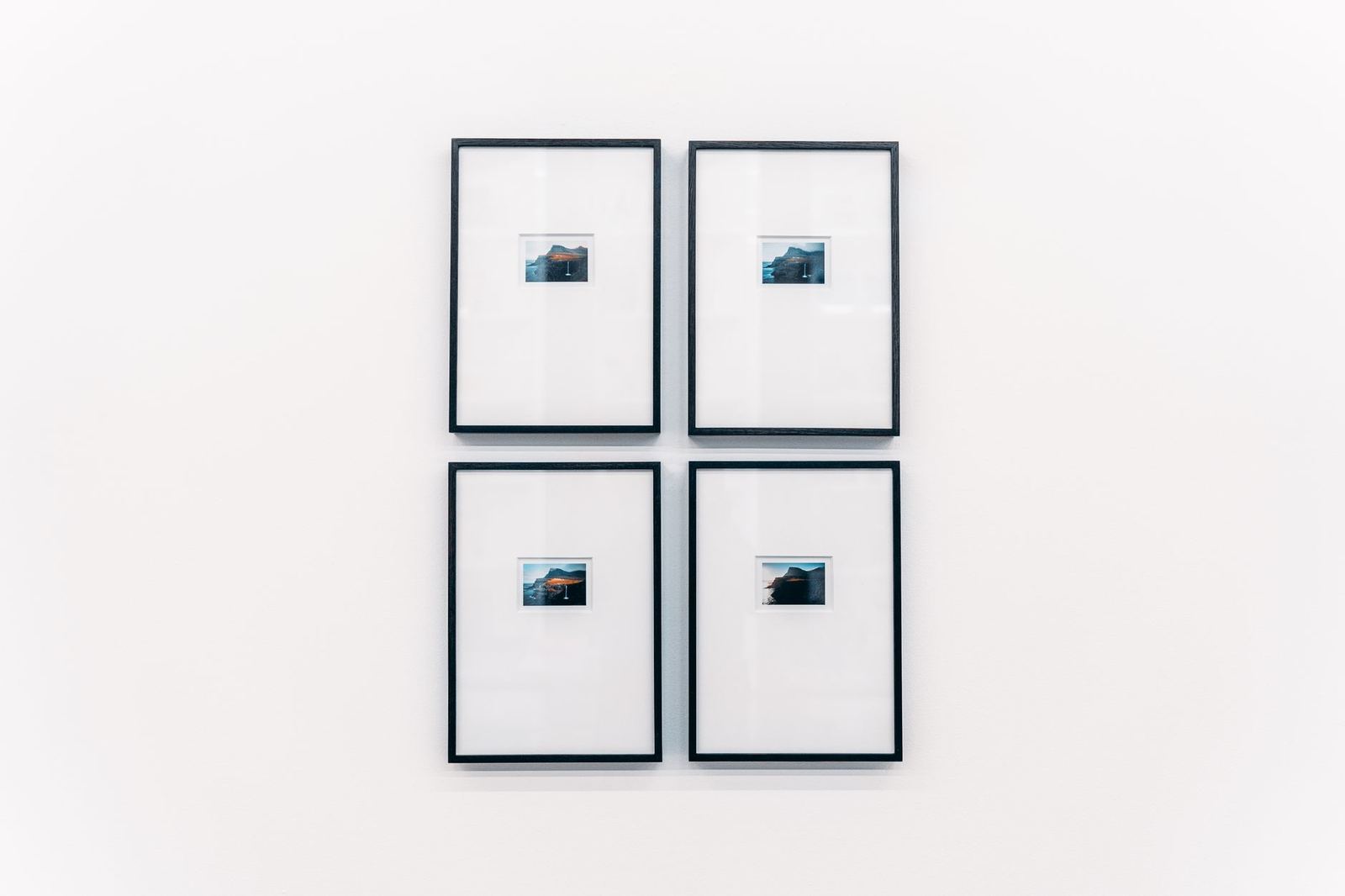
Stieglitz’s photographs were also exhibited alongside paintings by artists such as Mary Cassatt and James McNeill Whistler. My Modern Met says that show, the Special Exhibition of Contemporary Art, was organized by the National Arts Club and is thought to be the first major American exhibition to give equal billing to photographers and painters.
Museums followed. According to the same source, Stieglitz’s donation of 27 photographs to the Boston Museum of Fine Arts in 1924 was the first time a major museum accepted photography into its permanent collection (My Modern Met).
Institutional confirmation came next. Wikipedia says MoMA’s establishment of a department of photography in 1940, and the appointment of Beaumont Newhall as its first curator, are often cited as confirmation of photography’s status as an art. Recognition stayed uneven: in the UK as recently as 1960, photography was not really recognised as a fine art, as S. D. Jouhar reported in The Photographic Journal.
Colour took longer still. The New World Encyclopedia says historians generally point to the Szarkowski-curated William Eggleston show at the Museum of Modern Art in 1976 as the “breakthrough of color”. It also says that from around 1975 many new galleries opened to show only photography.
Genres and approaches you will meet
The principal genres of fine art photography are inherited from painting and include landscape, portraiture, the nude and still life, according to Wikipedia. The same entry says the categories are not mutually exclusive, and individual works often move between them.
- Landscape: My Modern Met says Ansel Adams showed that nature photography could compete as high art, and FilmDaft says landscape work often deals with atmosphere, isolation or human impact on nature. If you are drawn to monochrome, the black and white fine art photography guide goes further.
- Portraiture: FilmDaft says it can be raw, provocative, quiet or surreal, depending on the concept. My Modern Met describes Richard Avedon’s minimalist, large-scale portraits as revealing the inner emotions of celebrities.
- The nude: Wikipedia notes that the depiction of nudity has been one of the dominating themes in fine-art photography.
- Still life and abstract: FilmDaft says this work focuses on form, texture and line to study visual elements alone, and My Modern Met says Paul Strand often experimented with using the camera to create abstraction.
- Conceptual and staged: Wikipedia names Gregory Crewdson and Jeff Wall for the quality of their staged pictures. Readers who want prompts for this kind of work can browse these conceptual photography ideas.
- Experimental: Wikipedia describes the chemograms Josef H. Neumann developed in the mid-1970s, photographic paper altered by processing and painting, and notes Gerhard Richter’s photographs painted over with oil paints.
Until the late 1970s, Wikipedia says, a few genres predominated: nudes, portraits and natural landscapes. Breakthrough artists such as Sally Mann and Robert Mapplethorpe still relied heavily on them while seeing them with fresh eyes.
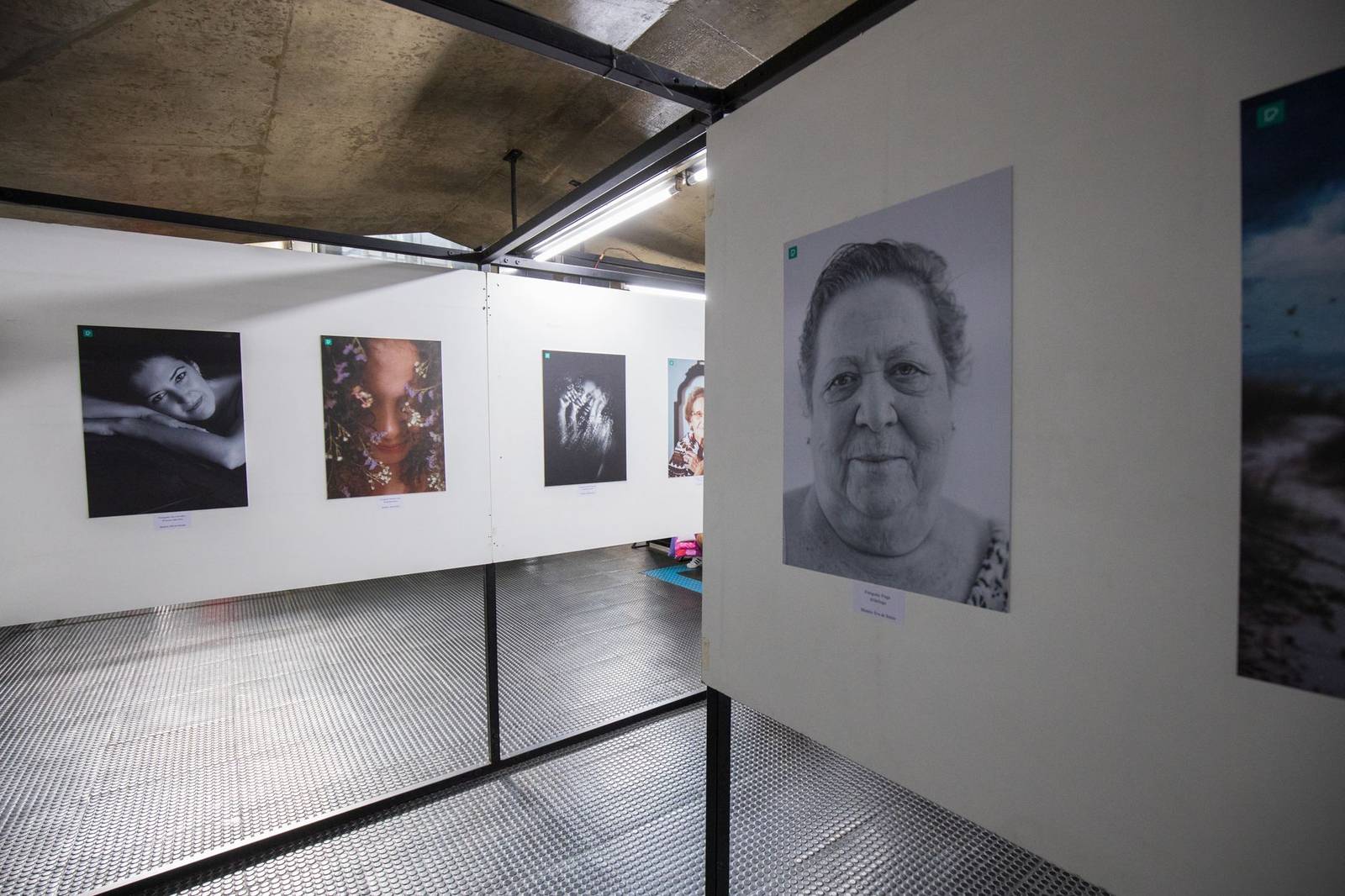
Newer technology has opened further doors. Wikipedia describes full spectrum photography, where careful filtering across the ultraviolet, visible and infrared leads to new artistic visions. It also notes that some artists deliberately keep natural lighting as a value in itself.
Some artists are best known for working with themselves or across media. My Modern Met says Cindy Sherman acts out a range of situations using herself as her primary model. It says Man Ray moved seamlessly between painting and photography, which helped break the stigma against photography as fine art.
Diane Arbus is a useful test case for the art-or-documentary question. My Modern Met says she was considered a documentary photographer, yet artistic elements are always present in her work. She took part in a 1967 exhibition at MoMA, and in 1972 she became the first photographer to exhibit at the Venice Biennale.
To see how these approaches look in finished pictures, browse the fine art photography examples. For more names to explore, the famous fine art photographers guide is a natural next step.
How do you make an image that carries an idea?
FilmDaft frames technique and style as the way you bring an idea to life: you carefully build the image to fit your message. It describes a set of habits that suit a project mindset.
- Theme development: choose a message or subject that matters to you, such as identity, time, memory or decay.
- Visual planning: think about how to show that message using light, color, motion and space.
- Camera techniques: use long exposures, soft focus or shallow depth of field to set emotion or tone.
- Post-production: edit contrast, texture and color to match the mood or concept behind the image.
- Series building: keep style consistent across images, with similar lighting, color palettes or compositions.
For the wider craft behind these choices, read the photography techniques overview.
Your tools matter less than your reasons, but history shows a pattern. The New World Encyclopedia says medium-format and large-format cameras have been preferred by art photographers over 35mm, although improvements in high-end digital photography are changing that. It adds that digital is a faster, cheaper way to make pictures, while some effects, such as scratching the negatives, can only be achieved with film.
Digital editing has its own lineage. The same entry says montage art photography has once again become popular, notably in the work of John Goto, and that purely computer-generated digital art is usually clearly distinguished from fine-art photography.
A simple project path
These steps are a practical way to apply the habits above to your first body of work.
- Pick a subject that matters to you, such as memory, culture or emotion.
- Write a single sentence about what you want a viewer to feel or consider.
- Plan light, color, space and motion around that sentence.
- Shoot with intention, using camera techniques that match the mood.
- Edit for the same mood rather than for effect alone.
- Sequence the images so they read as a series with a consistent style.
- Write an artist statement that explains your intention and your choices.
If you have not yet picked up a camera for this purpose, read how to start fine art photography before your first shoot. When your pictures begin to repeat a theme, the guide on how to build a photography series covers the next skill.
FilmDaft says most fine art photographers write an artist statement at the end of a project, which gives viewers insight into process and choices. Its summary of the approach is short: message first, execution second.
Printing, editions and the collector market
The New World Encyclopedia describes fine art photography as high-quality photographic prints that convey a photographer’s thought or emotion. Such prints are usually reproduced in limited editions for dealers, collectors or curators rather than mass reproduced in advertising or magazines.
FilmDaft lists standard practices: archival printing on museum-grade paper and inks, and limited editions, with 5 to 20 copies given as an example. It adds that galleries and online platforms often require clear edition labels, pricing structures and signed prints.
Presentation shapes meaning too. FilmDaft says how work is printed, framed and displayed affects how people understand it, and the New World Encyclopedia notes a tendency to skip the frame and glass and mount a print onto stiff board. For the practical side of paper and output, see fine art photography printing.
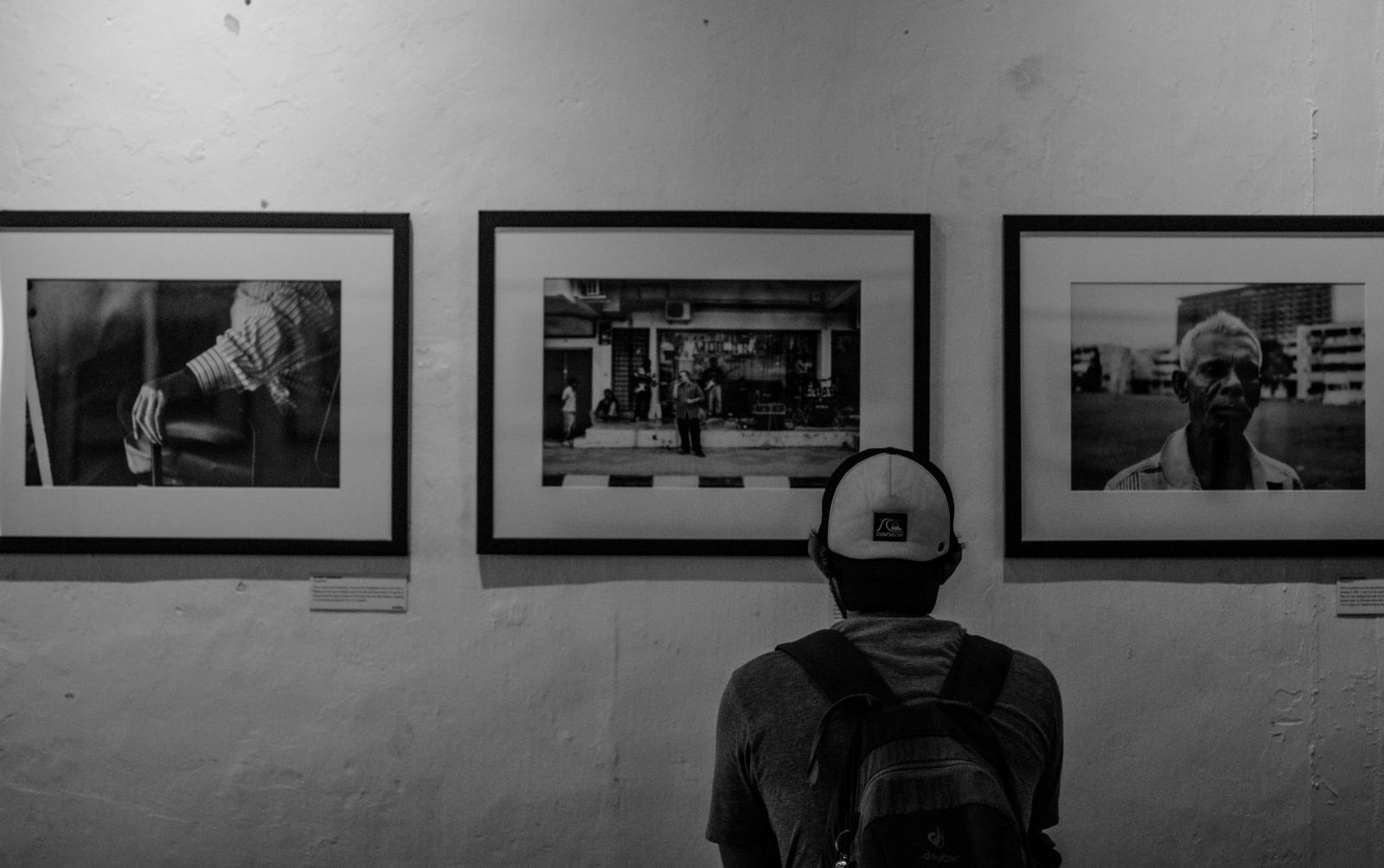
Books are a second route to collectors. Wikipedia says that as printing technologies have improved since around 1980, art prints reproduced in a finely printed limited-edition book have become an area of strong interest to collectors. Books usually have high production values and a short print run, and their limited market means they are almost never reprinted.
Market statistics in this area are old and shaky. Wikipedia cites Art Market Trends 2004 for 7,000 photographs sold in auction rooms in 2004, and an average 7.6 percent annual price rise from 1994 to 2004. The same sentence carries a “failed verification” tag, so treat it as historical colour, not as a guide to today’s prices.
Selling to the general public has been harder. Wikipedia says attempts by online art retailers to sell fine photography alongside prints of paintings have had mixed results, with strong sales coming only from traditional major photographers such as Ansel Adams. The New World Encyclopedia, a page whose links were retrieved on March 26, 2024, says web magazines have appeared since 1995 as a new outlet, but sales figures still remain poor.
Can fine art photography pay the bills?
The honest answer from the New World Encyclopedia is that many photographers still live poorly. It says photographers like Mary Ellen Mark do mostly fine art work but also take pictures for advertisements to fund the expensive equipment they need.
The same entry says it is usually advised that unless you have a deep passion for art photography, you may have difficulty financially in making it a career. It also says art photography isn’t offered in most schools, which limits the chance of a popular mass market.
Passion is the better reason to start. FilmDaft argues that in a world flooded with snapshots, fine art photography asks for more time, more attention and more thought, and that this is exactly why it still matters.
A few habits carry through everything above:
- Start from an idea or an emotion, not from a subject alone.
- Make every choice, from framing to editing, serve that idea.
- Work in a series so your style and theme become visible.
- Print and present with care, and keep clear records of editions.
If a trip is part of your plan, this site also has a bordeaux travel guide for deciding where to point your camera.
Frequently asked questions
Is fine art photography the same as art photography?
Show answer
The sources behind this guide use the terms interchangeably, and spell the phrase both with and without a hyphen. In both cases the defining feature is the photographer’s creative intent, as Wikipedia describes it, and not the subject or the equipment.
Can documentary photography count as fine art?
Show answer
Yes, when an artistic intent is behind it. My Modern Met says artistic documentary photography by renowned photojournalists can be considered fine art, and the New World Encyclopedia names Dorothea Lange as a photographer who turned documentary work into fine art.
Do you need film or a large-format camera?
Show answer
No. The definitions earlier in this guide hinge on your intent rather than your kit, so choose the camera that lets you carry out your idea and treat format as a creative choice.
How many prints belong in a limited edition?
Show answer
There is no single rule in the sources. FilmDaft gives 5 to 20 copies as an example of keeping prints exclusive, alongside archival printing on museum-grade paper and inks.