You have a pile of good photos and no idea how they fit together. Here is how to build a photography series: shoot with a loose constraint, then let editing and sequencing reveal the thread that links your frames.
This guide is part of a wider look at fine art photography, so start there if you want the bigger picture.
| Item | Value |
|---|---|
| Raw files in the Fstoppers example edit | Over 300 raw files |
| Core sequence in that example | Five or six frames |
| Common ways to work through a shoot | Two approaches |
| Images to view side by side when judging flow | Three or four images |
| Starting pool size recommended by NOICE Magazine | No exact number |
These figures come from Fstoppers and NOICE Magazine. They are examples rather than rules and can change, so check the sources before you rely on them.
Start wide with a loose constraint
You do not need a finished concept before you pick up the camera. Fstoppers describes the ideas you carry into the field as wide guardrails that help you generate source material, with the full narrative of the series built later, at the computer, when you edit.
Starting small also helps. In a video summarised by Fstoppers, Toma Bonciu suggests beginning in your own neighborhood with easily accessible subjects, so you can practise building a series without access or travel problems getting in the way (Fstoppers summary).
The same summary lists the kind of consistency that makes viewers see a common element across your pictures:
- The same orientation throughout
- Identical editing approaches
- Matching color treatments
- Often the same focal length choices
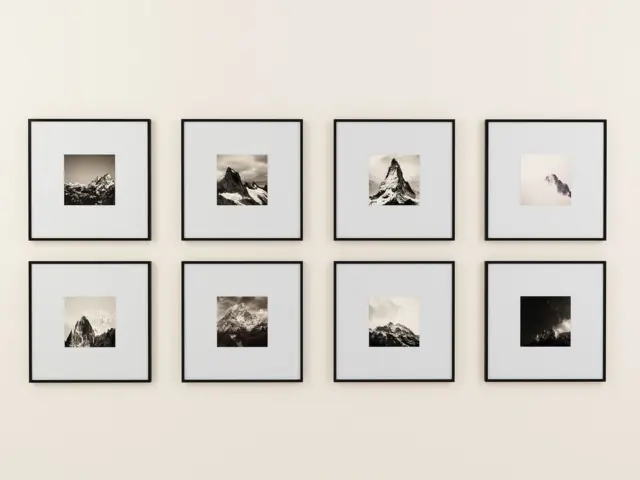
Bonciu’s forest series, Stories of the Forest, captures forests shrouded in fog and has grown into several sub-series, such as panoramas and telephoto compositions. Sub-series are one way to keep a long project fresh without losing the thread (Fstoppers).
Cull the catalog before you process it
Once the shoot is over, the real work starts. In the Fstoppers example, a single downtown walk left over 300 raw files in Lightroom, and the temptation was to hunt only for frames that matched the original plan (Fstoppers). Letting the photos guide you is the better route.
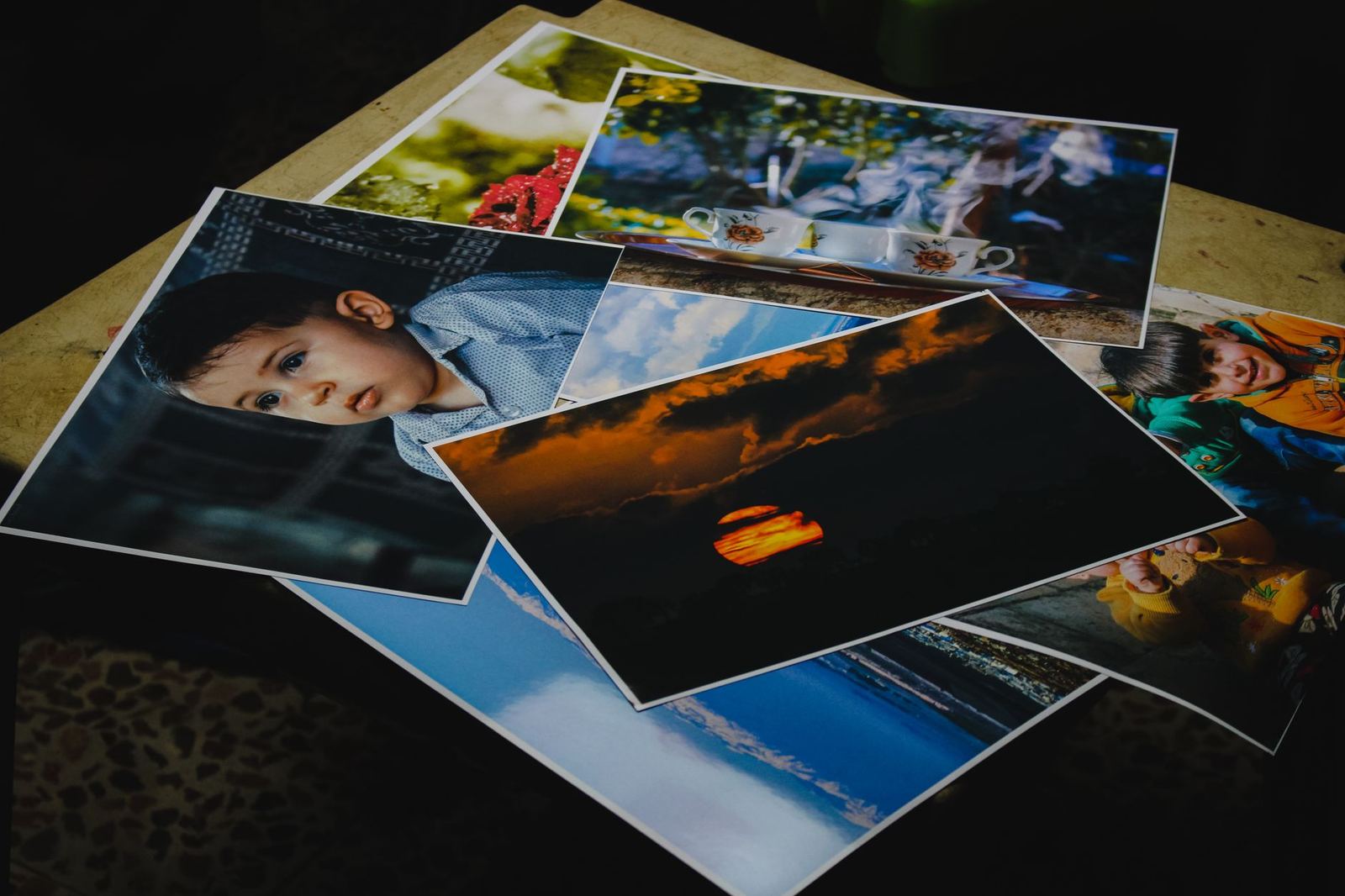
Fstoppers says photographers generally take one of two paths when working through a shoot:
- Curate first, then process. Look through the unedited catalog for recurring light or shared geometry, pick the core frames, and let their relationship decide how you process them.
- Process standouts first, then discover the series. Edit the frames that catch your eye, then step back and look for the connective tissue between them.
Neither is wrong, but curating first has an edge when you want a cohesive collection. Once you select five or six frames as the core sequence, you can work up one hero image to set the tonal benchmark and sync that baseline across the rest (Fstoppers).
It also keeps you from falling in love with a standalone trophy edit that fights the rhythm of the set.
Find the visual flow between frames
A single picture invites the question “what is it about?” Look at three or four images side by side and that question recedes, while the visual mechanics take over (Fstoppers). Forcing these links while you shoot tends to get in the way of seeing, so judge them at the editing stage.
Fstoppers points to a few visual tensions to manage:
- Focal distance. If every image uses the same focal length and distance, the series can feel monotonous. Weave between wider context and tighter detail.
- Tonal weight. Pictures of completely different subjects can belong together because of how they handle light and dark.
- Geometry. Hard diagonals and patterns repeat across a catalog, and grouping images around them creates a sense of intention.
NOICE Magazine calls a related idea visual rhymes: quiet connections between images, such as similar colors, shapes, gestures or moods (NOICE Magazine). You often notice them only once the images sit next to each other.
Sequence for rhythm and meaning
Order is part of the work, not a finishing touch. Dodho Magazine argues that sequencing is about constructing meaning over time, because each photograph takes on a different value depending on what comes before and after it (Dodho).
Rhythm comes from contrast. Dodho puts it plainly: rhythm requires contrast and breathing space, so dense images sit beside quieter ones and open frames beside closed details (Dodho). Some frames work as transitions, others as climaxes or closures.
John Paul Caponigro offers a fence metaphor. Your strongest pieces are posts and the less strong ones are rails: start and end with the strongest, and reinforce long runs of rails with a stronger image now and then (Caponigro).
Published series show why this matters. Digital Camera World points to Alec Soth’s Sleeping by the Mississippi, where each frame contributes to a larger meditation on Americana and wanderlust (Digital Camera World). Looking at how famous fine art photographers order their work is a good way to train your own eye.
Why is letting go of favorites so hard?
You remember the moment, the effort and the feeling, so every frame seems to matter. NOICE Magazine notes that a strong series does not need everything you enjoyed shooting, only the images that work best together (NOICE Magazine).
A simple order of work keeps attachment in check:
- Pull together every photograph you feel good about. NOICE says there is no exact number you need to start with.
- Remove obvious rejects, such as distracting edges or technical problems, quickly and without debate.
- Go through near-duplicates fast and keep the one that feels most resolved.
- Look for rhymes, then cut anything that breaks the rhythm, however good it is alone.
That last step is hard. Dodho calls learning to remove images one of the most difficult and necessary skills in building a solid body of work (Dodho).
Test the series on paper
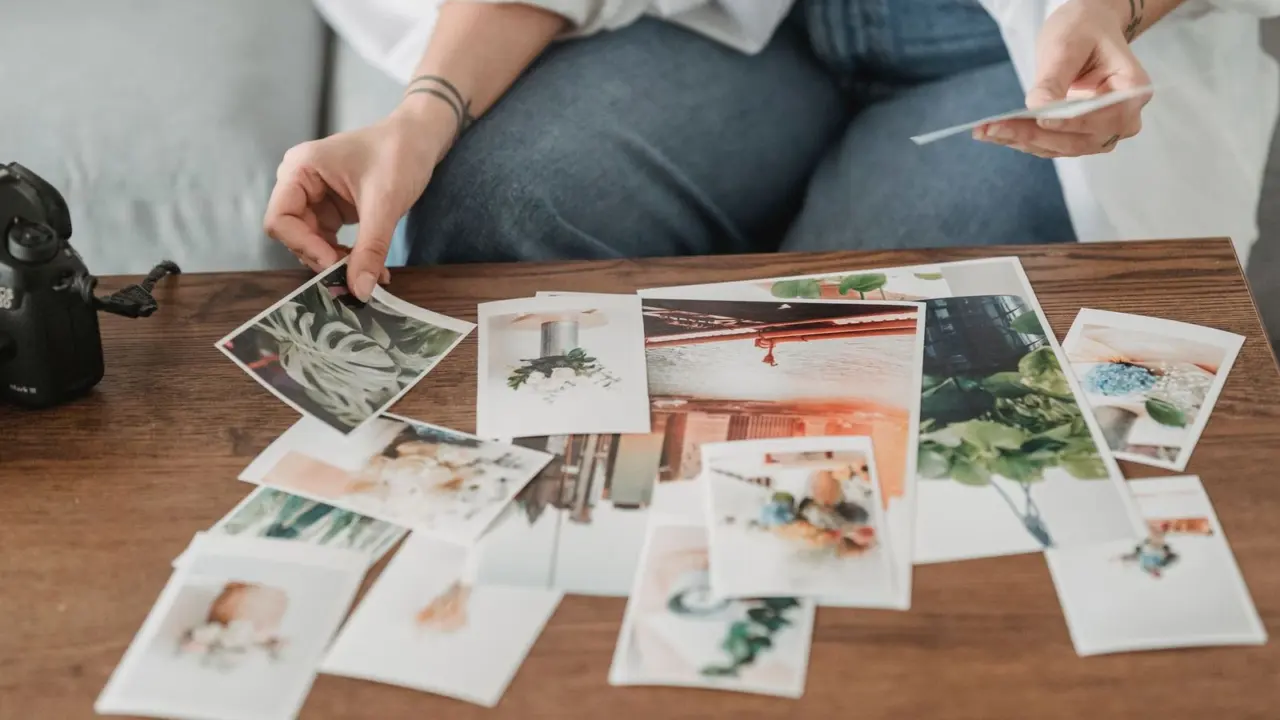
Screens hide problems. About Photography suggests printing inexpensive thumbnails or contact sheets and arranging them on a table, wall or floor, then looking for relationships in color, direction, gesture and negative space (About Photography). It also advises against placing every strongest image back to back.
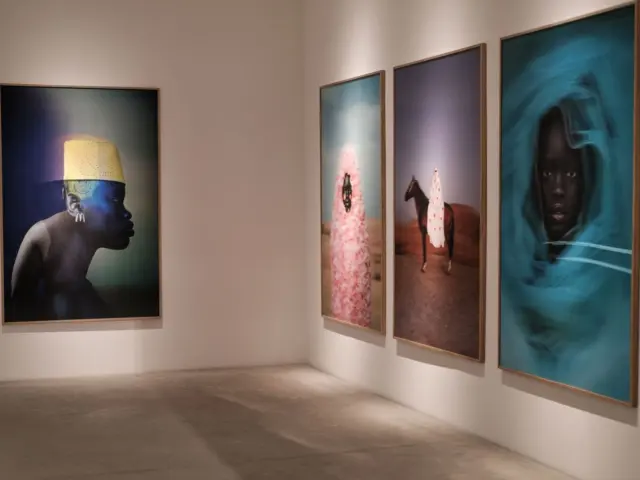
The medium matters as well. Dodho notes that a book, an exhibition, a website and a projection each imply different rhythms and readings (Dodho). The guide to fine art photography printing picks up where this one stops.
If the series is headed for a book, the same source says never to approve it from an on-screen preview alone: order a physical proof first (About Photography).
Frequently asked questions
How many photos does a photography series need?
Show answer
The sources give no fixed number. NOICE Magazine says there is no exact number you need to start with, and the Fstoppers example built a core sequence from five or six frames. Let the strength of the connections decide the size.
Do I have to plan the story before I shoot?
Show answer
No. Fstoppers recommends carrying a loose constraint or broad idea into the field and letting the story emerge when you edit and sequence. NOICE Magazine also finds more honesty in extracting the idea from what is already there.
Should I edit images first or choose the series first?
Show answer
Both paths work. For a cohesive collection, Fstoppers says curating the series before deep processing saves time and stops a standalone favorite from fighting the rhythm of the set.
Does the order of the photos really change the meaning?
Show answer
Yes. Dodho Magazine says changing the order can completely alter the meaning of the whole, and that the first image sets the tone while the last leaves a resonance.