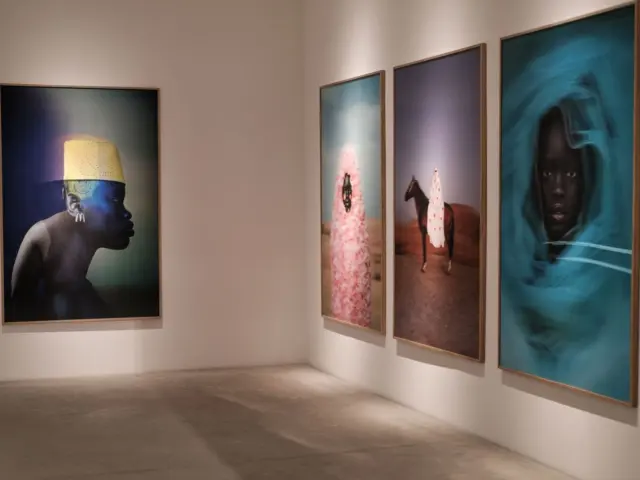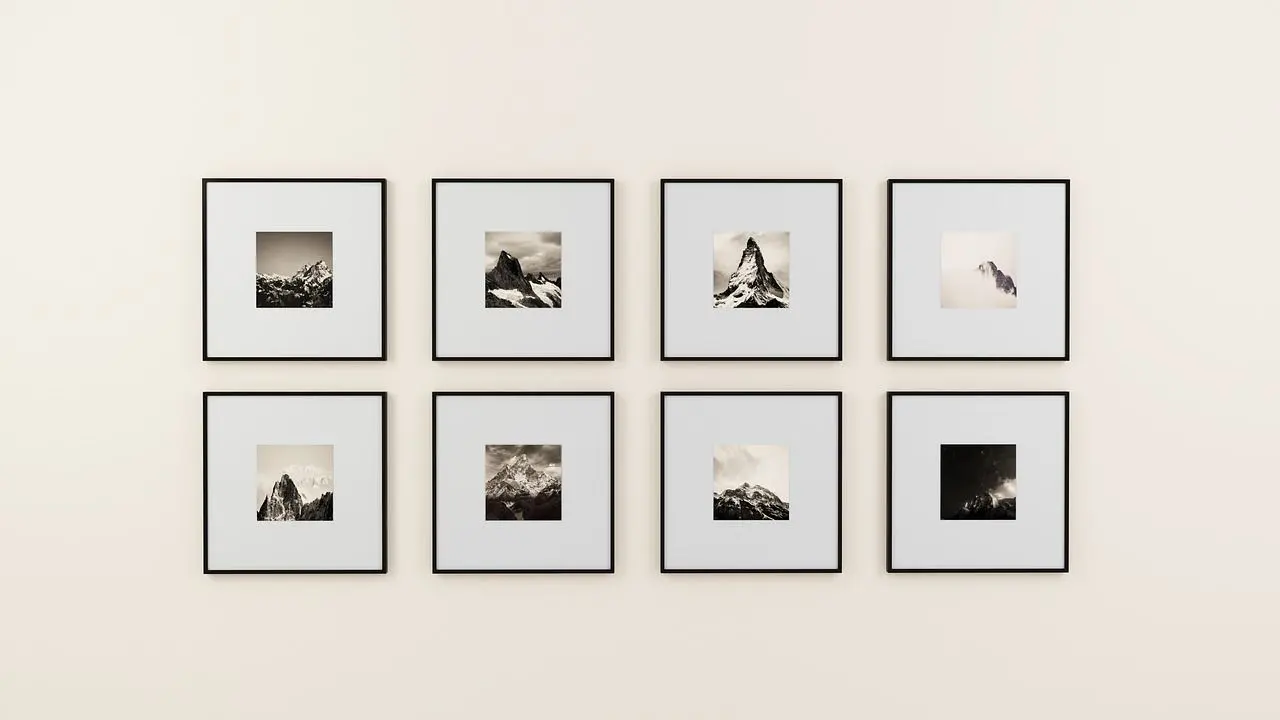
Not sure where to start? This what is fine art photography guide for beginners has a short answer: it is photography made to express an artist’s idea, emotion or vision, not to sell or report.
This page is part of the wider topic of fine art photography on this site.
| Item | Value |
|---|---|
| Core purpose | Express an idea, emotion or personal vision |
| Common genres listed by FilmDaft | 4 genres |
| Typical limited edition size | 5 to 20 copies |
| First major museum to accept photography into its permanent collection | Boston Museum of Fine Arts, 1924 |
| Size of that donation by Alfred Stieglitz | 27 photographs |
These figures come from FilmDaft and My Modern Met. They can change, so check the source before you rely on them.
What fine art photography means
Fine art photography is photography made to express an idea, emotion or personal vision, going beyond a record of what is in front of the camera, as FilmDaft puts it. That source adds that what matters most is your intention: every choice, from framing to editing, should support what you want to say.
The genre is also called artistic photography. Eden Gallery describes these images as created purely for their aesthetic and imaginative qualities, and not for a commercial purpose.
Plenty of everyday pictures sit outside the genre. Eden Gallery says these kinds of personal photography are not considered fine art:
- Selfies and everyday portraits
- Vacation pictures
- School photos and family snapshots
How fine art differs from commercial and documentary work
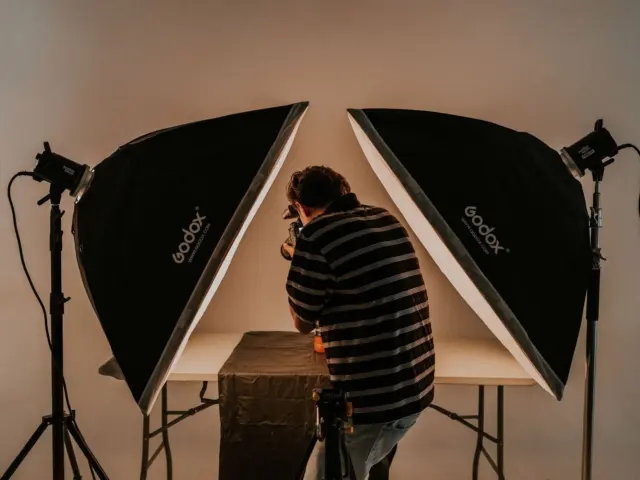
The clearest split is purpose. In Eden’s comparison of the two fields, the main idea behind commercial photography is to sell the product, and the idea behind each picture comes from the client.
That means a commercial photographer must follow the client’s ideas and perception while shooting, according to the same source. A fine art photographer answers to no brief.
Documentary and news photography have a different job again. As Eden Gallery explains, the purpose of photojournalism is to tell the story and document, not to express the artist’s own creative visions and ideas.
Side by side, the three approaches look like this:
- Fine art: made to express the artist’s own idea, emotion or vision.
- Commercial: made to promote or sell something, following a client’s wishes.
- Documentary: made to record events and tell a story.
Money works differently too. Eden notes that most fine art photographers rely on selling their photographs like any artist, while commercial photographers usually have a steady income from commissions or in-house jobs.
The border is not rigid. My Modern Met says a photograph with artistic intent can often be considered fine art today, including artistic documentary work by renowned photojournalists.
Ansel Adams put the idea this way, as quoted by My Modern Met: “Art implies control of reality, for reality itself possesses no sense of the aesthetic. Photography becomes art when certain controls are applied.”
What makes a photograph fine art?
A fine art image must go beyond a basic, literal depiction of its subject, says Eden Gallery. A fine artist usually shows a unique style, or progress in technique or themes over time.
Photographers in this field weigh the same visual building blocks that painters do. The same source lists these factors:
- Line and form
- Space and balance
- Color and depth
- Texture and light
Good work, that source adds, is original and evokes an emotion or makes the viewer pause for thought. What counts as good is always subjective, so treat these points as guides rather than rules.
Two examples from FilmDaft show intent at work. Alfred Stieglitz’s The Steerage (1907) was not staged, yet his careful framing turns a real scene on a ship into a study of lines, forms and social layers.
In The Tetons and the Snake River (1942), the same source says Ansel Adams uses light, composition and scale to express awe at nature.
For a beginner, the practical test is simple. Ask what you want a viewer to feel or think, then check whether every choice serves that answer.
A short history: how photography became art
Photography was not always accepted as fine art. FilmDaft notes that early on it was mainly used for science, record-keeping or portraits, until Victorian photographers such as Julia Margaret Cameron and Oscar Rejlander staged elaborate scenes to mimic painting.
Alfred Stieglitz was central to the shift. My Modern Met credits him and other modernist photographers with moving photography toward consideration as a fine art. It says his donation of 27 photographs to the Boston Museum of Fine Arts in 1924 was the first time a major museum accepted photography into its permanent collection.
Acceptance was uneven. Art in Context reports that up until 1960 photography was hardly acknowledged as fine art in the UK, while in the US MoMA had set up a division of photography in 1940.
Profiles of the artists who carried this story forward are collected in this guide to famous fine art photographers.
Genres and techniques to try first
Fine art is not tied to one subject. FilmDaft lists four genres you will find most often:
- Conceptual: staged or symbolic scenes that show abstract ideas.
- Still life and abstract: form, texture and line studied for their own sake.
- Portraiture: raw, provocative, quiet or surreal, depending on the concept.
- Landscape: often atmosphere, isolation or human impact on nature.
Technique is how the idea becomes an image. The same source describes these key ways to support a creative vision:
- Theme development: choose a message that matters to you, such as identity, time, memory or decay.
- Camera techniques: use long exposures, soft focus or shallow depth of field to set emotion or tone.
- Post-production: edit contrast, texture and color to match the mood or concept.
- Series building: keep style consistent across images.
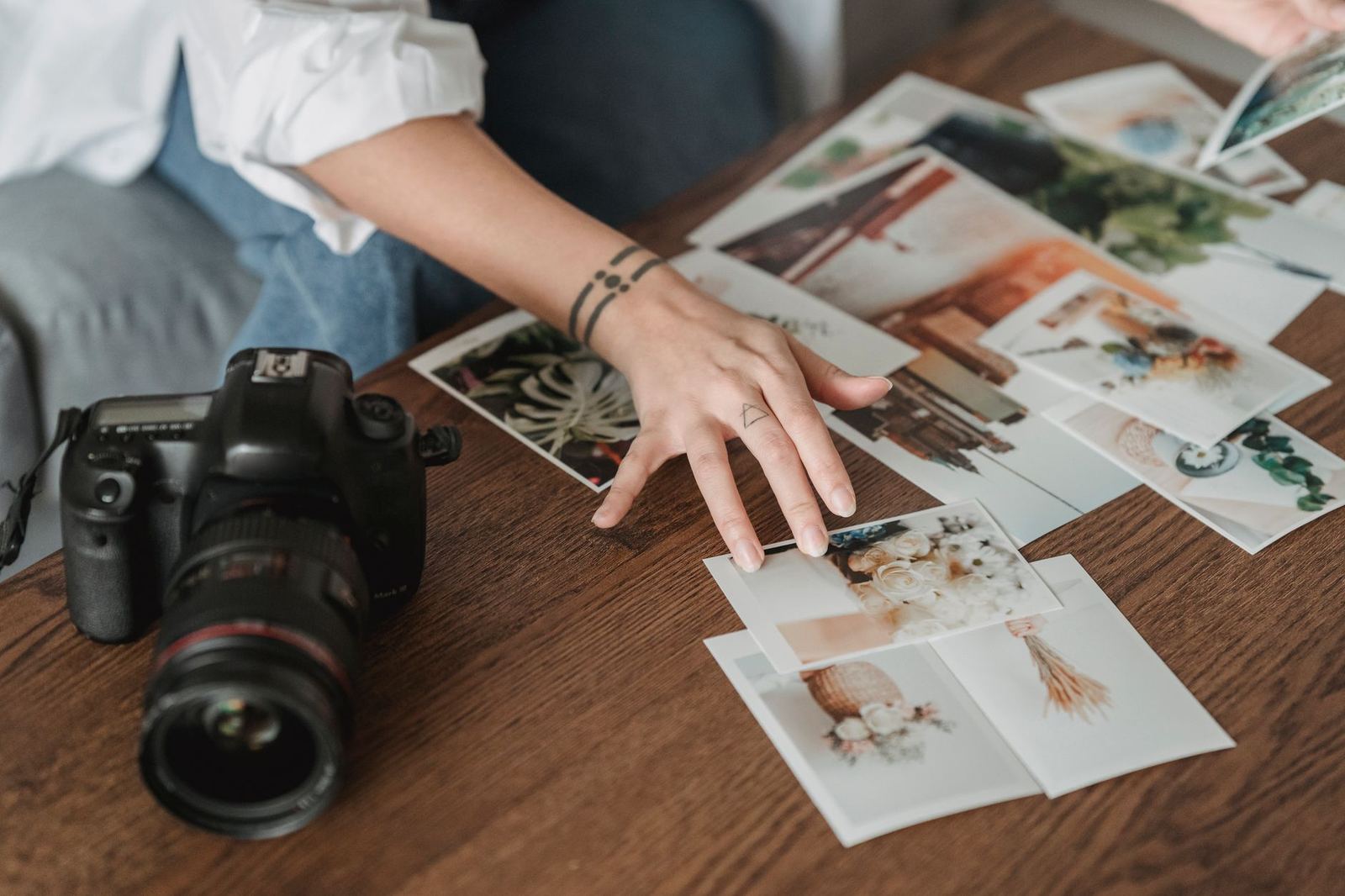
You can work with a digital or an analog camera, according to Eden Gallery, and some photographers deliberately avoid digital techniques or post-production editing. Its tips also include avoiding presets created by other artists.
That source’s tips for budding photographers also include:
- Study the works of great photographers
- Create a cohesive body of work
- Master the technical elements of photography
- Stay true to your personal vision
At the end of a project, most fine art photographers write an artist statement, FilmDaft says, to explain their intention and process.
To see these ideas in finished pictures, browse these fine art photography examples.
If you later print your work, FilmDaft notes that artists often choose museum-grade paper and inks. It gives limited editions of 5 to 20 copies as an example of keeping prints exclusive.
Frequently asked questions
Is fine art photography the same as artistic photography?
Show answer
Yes. Eden Gallery says the genre is also known as “photography art” or “artistic photography”.
Do I need a degree to become a fine art photographer?
Show answer
No. Eden Gallery says formal education is not required, though it can help improve an artist’s skills and employment prospects.
Can a documentary photograph count as fine art?
Show answer
Sometimes. My Modern Met says artistic documentary photography by renowned photojournalists can be considered fine art when there is artistic intent behind it.
Do I have to edit my photographs?
Show answer
No. Eden Gallery says some fine art photographers are traditional and avoid digital techniques or post-production editing, while others alter their images in a darkroom or a digital editing suite.