Not sure where to start looking? These fine art photography examples, from Stieglitz and Adams to Sultan and Muholi, show photographs made with artistic intent rather than as a plain record.
This page is part of a wider guide to fine art photography, and it works best as a gallery walk through named pictures you can look up.
| Item | Key fact |
|---|---|
| Alfred Stieglitz’s donation to the Boston Museum of Fine Arts | 27 photographs, in 1924 |
| Diane Arbus at the Venice Biennale | 1972 |
| Photography at SFMOMA | Integral since the museum’s founding in 1935 |
| SFMOMA’s separate photography department | Founded in 1980 |
| Larry Sultan, My Mother Posing for Me | Dated 1984 |
The figures come from SFMOMA’s photography overview and a 2017 My Modern Met feature. Museum pages and articles can change, so check the source before you rely on them.
What makes a photograph fine art?
The short test is intent. My Modern Met notes that a distinguishing feature of fine art photography is that recording a subject is not the main purpose. The photographer uses the image to express a vision and make an artistic statement.
Ansel Adams once stated: “Art implies control of reality, for reality itself possesses no sense of the aesthetic. Photography becomes art when certain controls are applied.” As a viewer, you can spot that control in the framing, the light, the printing and the way a subject is posed.
The same article says the field has expanded, so any photograph with artistic intent behind it can often be considered fine art. That includes artistic documentary work, which is why the examples below mix landscapes, portraits and pictures of family and place.
For a fuller definition, the what is fine art photography guide for beginners covers the idea in more detail. Come back here when you want pictures rather than theory.
Early examples that moved photography onto museum walls
Start with Alfred Stieglitz. According to My Modern Met, his donation of 27 photographs to the Boston Museum of Fine Arts in 1924 was the first time a major museum accepted photography into its permanent collection. The same page shows his Georgia O’Keeffe – Neck from 1921 and his Equivalents from 1928.
On the American West Coast, Ansel Adams, Imogen Cunningham and Edward Weston belonged to a community that SFMOMA says was collectively known as group f/64. Work from that community formed the core of the museum’s collection when it opened in 1935. The group promoted photography as a vital modern art form and celebrated its sharp clarity.
Weston described the aim as rendering “the very substance and quintessence of the thing itself.” That line is a handy lens for his pictures: you are meant to look at the object, not past it.
Others pushed in different directions. Man Ray, a significant contributor to the Dada and Surrealist movements, moved between painting and photography and gave both equal value, which helped break the stigma against photography as fine art. Paul Strand experimented with abstraction and applied ideas from painters and sculptors to his camera work.
Here are early pictures worth searching for by title:
- Alfred Stieglitz, Equivalents (1928), shown by My Modern Met.
- Paul Strand, The White Fence (c. 1917), also shown by My Modern Met.
- Edward Weston, Shell and Rock Arrangement (1931, printed circa 1947), listed by the Norton Museum of Art.
- August Sander, Circus People (1929), also listed by the Norton Museum of Art.
- Ansel Adams, “The Tetons – Snake River,” Grand Teton National Park, Wyoming (1941), a National Archives image shown by My Modern Met.
Mid-century to the 1980s: portraits, family and the land
Diane Arbus photographed marginalized people. My Modern Met says that although she was considered a documentary photographer, artistic elements are always present in her work. In 1967 she took part in an exhibition at the MoMA in New York, and in 1972, one year after her death, she became the first photographer to exhibit at the Venice Biennale.
Larry Sultan‘s My Mother Posing for Me, from the series Pictures from Home, is dated 1984 and appears among the collection highlights at SFMOMA. The title tells you the portrait is a collaboration between photographer and sitter. That makes it a useful way into reading family pictures as art.
SFMOMA’s highlights also show how photographers have approached land and place. Richard Misrach’s Dead Fish, Bravo 20 Bombing Range, from the series Desert Canto V: The War, is dated 1986 and printed 2006. Robert Adams, not to be confused with Ansel Adams, is represented by On Signal Hill, Overlooking Long Beach, California (1983).
The Norton Museum of Art says its photography collection was begun by a gift in 1998. It lists significant holdings by Bernd and Hilla Becher and shows an untitled 1976 work by Francesca Woodman among its highlights. Look at how the Bechers and Woodman each treat repetition and the body or object in the frame.
Notice what these pictures share: each one rewards slow looking, and each carries a point of view that a plain record would not.
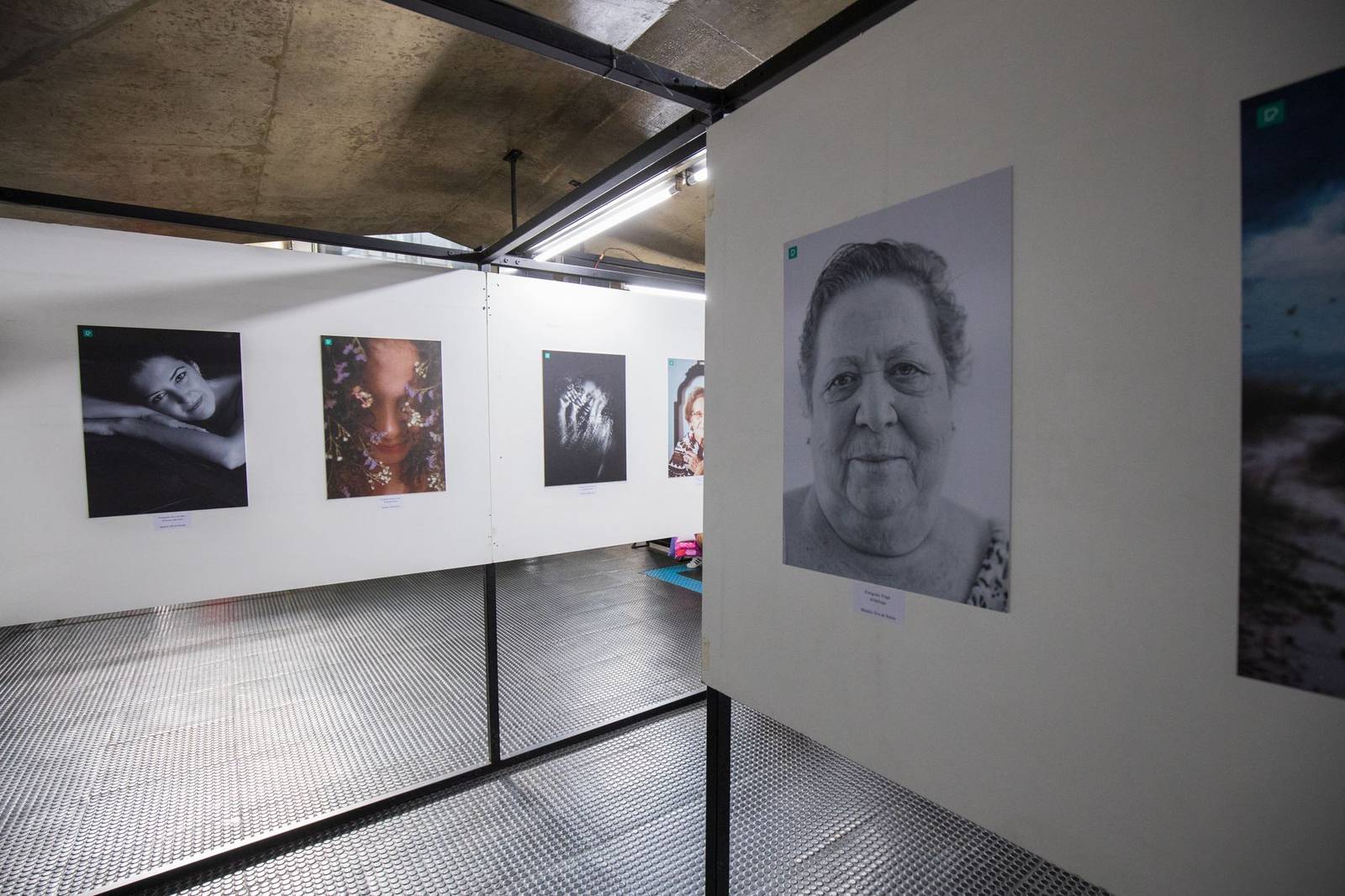
Contemporary fine art photography examples
The High Museum of Art says photography is the dominant visual language of our time, and that its collection aims to create a relevant dialogue around contemporary image culture. Its list of contemporary names doubles as a reading list for you.
These are specific works you can look up:
- Thomas Struth, Stellarator Wendelstein 7-X Detail, Max Planck IPP, Greifswald (2009), a dye coupler print, per the High Museum.
- Zanele Muholi, Gazi T Zuma, Umlazi, Durban (2010), in the SFMOMA highlights.
- Thomas Demand, Landing (2006), listed by the Norton Museum of Art.
- Carrie Mae Weems, Sea Islands Series (1992), also listed by the Norton Museum of Art.
The High’s list also names Taryn Simon, Hiroshi Sugimoto, Jeff Wall, Sally Mann, Philip-Lorca diCorcia, Deana Lawson and Sze Tsung Leong. Sugimoto and Wall also appear in the Norton’s description of its contemporary, international emphasis.
Process matters too. The Nelson-Atkins online catalogue lists 15,975 photography results, and its filters include gelatin silver (3,376) and inkjet prints (482). That mix is a quick reminder that fine art photography spans traditional silver prints and digital printing.
How to study a fine art photograph
You do not need a degree to look well. Use this short routine on any example in this guide:
- Name the intent. Ask what the photographer is expressing beyond recording the subject.
- Read the caption for process. A label such as “dye coupler print” or “inkjet print” tells you how the image was made.
- Check both dates. Misrach’s Dead Fish, Bravo 20 Bombing Range is dated 1986 and printed 2006, so a picture can be printed long after it was made.
- Find the series. Sultan’s Pictures from Home and Misrach’s Desert Canto V: The War show that a single picture often belongs to a larger project.
- Compare two examples. Set Sultan’s family portrait beside Sander’s Circus People (1929) and ask how each handles posing.
Once you have picked favourites, the page on how to start fine art photography covers first steps for turning that looking into your own work.
Where to see more examples
Museum collection pages are the easiest place to keep looking:
- SFMOMA describes itself as one of the first American museums to recognize photography as an art form.
- The High Museum of Art publishes a contemporary photography page naming leading practitioners.
- The Norton Museum of Art shows a long highlights list with dates and nationalities.
- The Nelson-Atkins eMuseum lets you filter its photography collection by artist and process.
This site is an independent editorial resource with no affiliation to the museums named here. They appear only as examples, so check their own pages for what is on view and for any changes.
Frequently asked questions
Can documentary photography count as fine art?
Show answer
Yes, when artistic intent is behind it. My Modern Met says any photograph with artistic intent can often be considered fine art, including artistic documentary photography by renowned photojournalists. Diane Arbus is the usual case: described as a documentary photographer, yet artistic elements are always present.
Which museum first accepted photography into its collection?
Show answer
According to My Modern Met, the Boston Museum of Fine Arts did, after Stieglitz’s 1924 donation of 27 photographs. SFMOMA describes itself as one of the first American museums to recognize photography as an art form, and says photography has been integral to it since 1935.
Does fine art photography have to be black and white?
Show answer
No. The High Museum lists a dye coupler print by Thomas Struth from 2009. The Nelson-Atkins catalogue lists 482 inkjet prints alongside 3,376 gelatin silver prints, so read the caption for the process.
Where can I browse examples online?
Show answer
Start with the Nelson-Atkins eMuseum, which lists 15,975 photography results. The Norton Museum of Art and SFMOMA both publish highlight lists with titles and dates.