Planning your first trip and unsure which things to do in Bordeaux come first? Start with the Place de la Bourse and its mirror pool, climb a tower for the view, then add La Cité du Vin and a wine day trip.
This page sits inside the full bordeaux travel guide, which covers the city beyond these first-visit highlights.
| Item | Value |
|---|---|
| Bordeaux CityPass | from €37 |
| Porte Cailhau ticket | €7 |
| Flèche Saint-Michel terrace | 47 metres up, 230 steps |
| Grand Théâtre guided tour | from €10 for 50 minutes |
| Walking tour of the historic centre | from €13 |
| Half-day wine tour | from €55 |
Prices come from the official Bordeaux tourist office guide, last updated in July 2026. Figures can change, so check the source before you rely on them.
Things to do along the Garonne waterfront
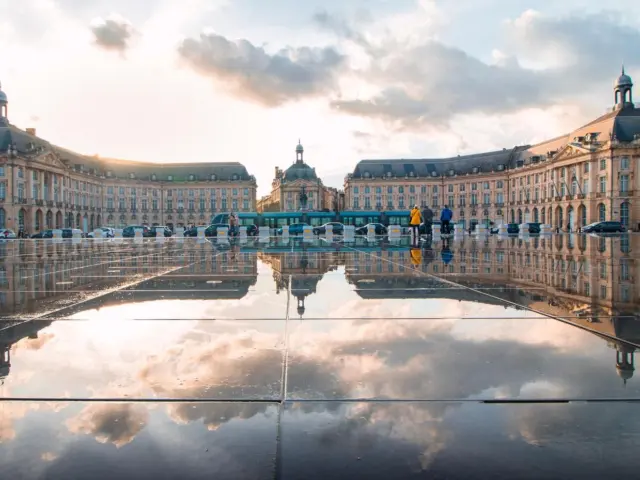
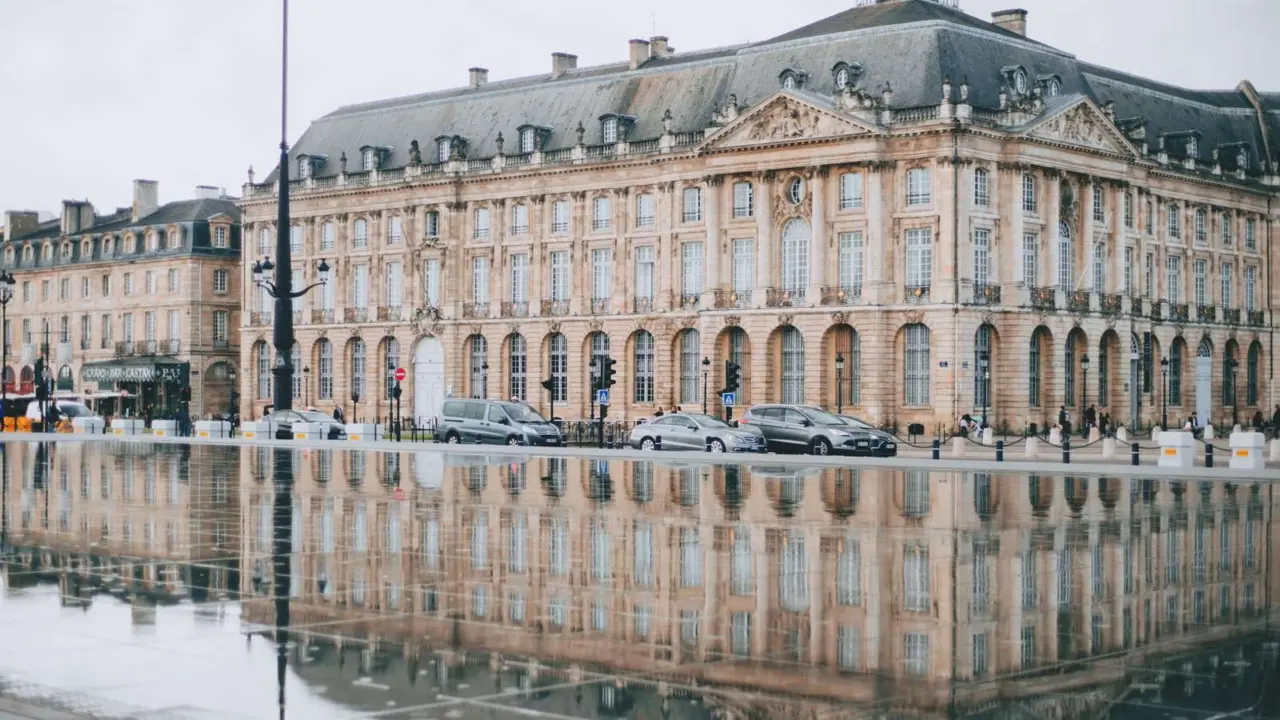
Start at the Place de la Bourse, an 18th-century square designed by Ange-Jacques Gabriel. The official guide calls it one of France’s most photographed squares, and it opens straight onto the Garonne.
Across the road is the Miroir d’eau, a shallow reflecting pool that alternates between a mirror image of the square and a fine mist, from April to October. It is free and always open, according to the same guide. A Traveller article from December 2016 dates it to 2006 and says the granite slabs hold no more than 2cm of water, so you can walk straight through.
If you carry a camera, go early. A Booked AI travel blog says the reflection is best captured in the early morning or at twilight.
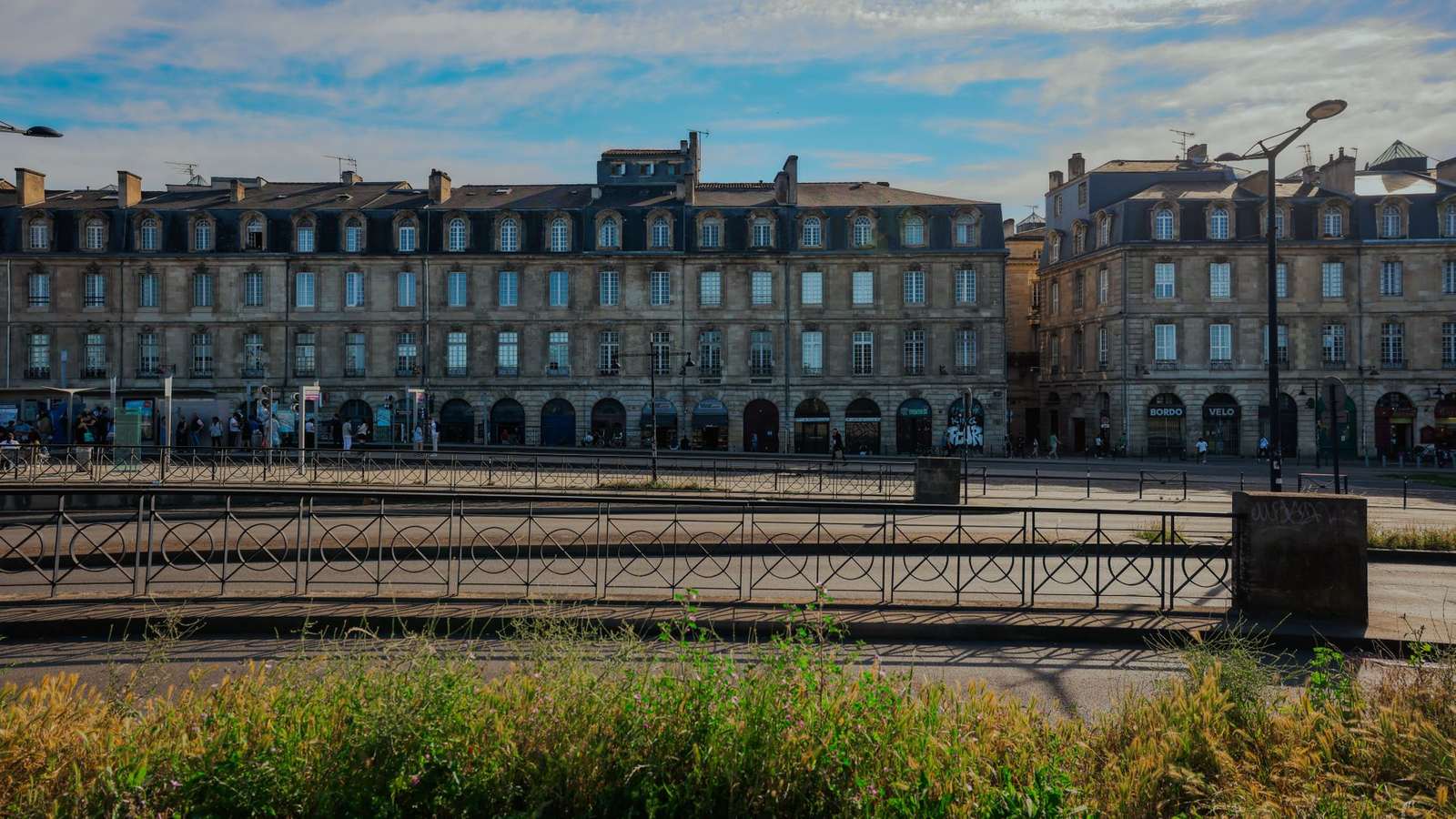
The Grand Théâtre was built in wood in 1780 by architect Victor Louis and is still home to the Opéra National de Bordeaux. Its monumental staircase inspired Charles Garnier’s Paris Opera. The official guide lists a 50-minute guided tour from €10, in English on selected days.
The Cathédrale Saint-André is where Eleanor of Aquitaine married the future King Louis VII of France in 1137. Entry is free, as the official guide notes.
Climbs with the best views over the city
Bordeaux is flat, so the towers do the work of hills. Each of these gives you a different angle on the river and the stone rooftops, and the official guide gives the details below.
- Porte Cailhau: a medieval river gate built between 1493 and 1496, with a 23-metre panoramic view of the Garonne. The ticket is €7.
- Tour Pey-Berland: the cathedral’s freestanding bell tower, with 231 steps. Entry is by timed ticket.
- Flèche Saint-Michel: the guide’s pick for the best climb in Bordeaux. At 114 metres it is the fourth-tallest bell tower in France, and the terrace sits at 47 metres after 230 steps. The ticket is €7.
If you plan to see more than a few sites, the Bordeaux CityPass starts at €37 and covers all three climbs. It also covers unlimited public transport, La Cité du Vin, Les Bassins des Lumières, 15 museums and monuments, and one guided tour of the city, per the official guide.
Museums and wine culture
La Cité du Vin is not a wine museum in the usual sense. It is an interactive cultural centre in a building shaped like a decanter on the Bacalan waterfront. The permanent exhibition takes about two hours and includes a tasting on the top-floor belvedere, with a 360-degree view of the city, according to the official guide.
Les Bassins des Lumières is an immersive digital art centre inside a former German submarine base from World War II. Projections cover the walls, ceilings and the water surface of the concrete pens. The same guide calls it one of the most photographed experiences in the city.
For the classical collections, the guide singles out four museums:
- Musée d’Aquitaine: regional history from prehistory to the present.
- Musée des Beaux-Arts: European painting from the 16th to the 20th century.
- CAPC Musée d’Art Contemporain: contemporary art in a spectacular 19th-century warehouse.
- Musée Mer Marine: the story of maritime Bordeaux.
If art is your main reason to visit, the guide to bordeaux museums goes into these collections in more depth.
Ways to see the city and the vineyards
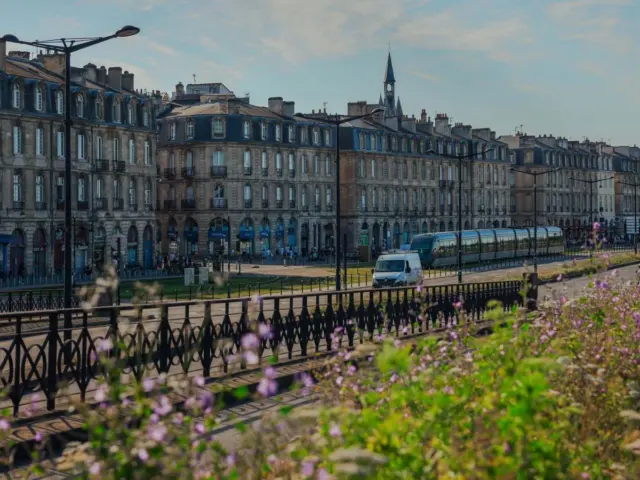
The historic centre is compact and UNESCO-listed across the whole Port de la Lune area, so you can cover a lot on foot. If you want help, the official guide lists these options:
- Walking tour: a two-hour guided walk of the historic centre, year-round with an English-speaking guide, from €13.
- Hop-on hop-off bus: a 24-hour open-top ticket with 10 stops, handy for the Bacalan district, from €22.
- Electric touristic train: a 40-minute loop with commentary in French and English from the Quinconces esplanade, from €10.
- River cruise: a commented cruise of 1h30 along the quays, under the Pont de Pierre and past La Cité du Vin.
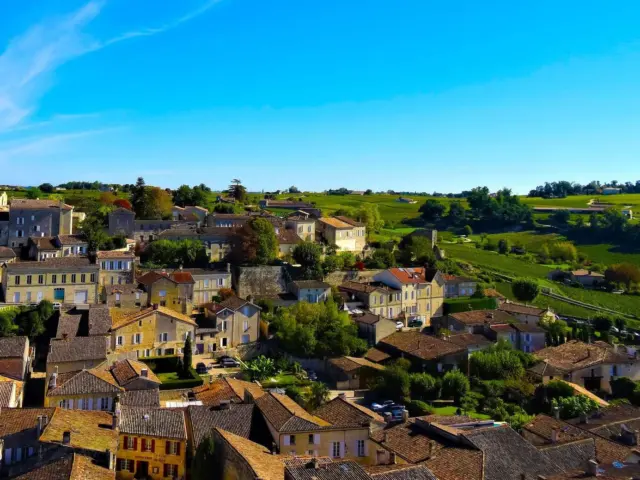
The same guide says the region produces roughly 700 million bottles a year across 65 appellations, so a wine day trip is worth the time. Small-group excursions run to Saint-Émilion, the Médoc, Graves or Sauternes with transport and tastings included. Half-day tours start at €55 and full-day tours are around €99.
If you have a car, you can book châteaux directly for longer visits and more contact with the winemakers.
Which neighbourhoods are worth wandering?
A Traveller article from December 2016 notes that in 2007 half of Bordeaux was World Heritage-listed. Between sights, the official guide points you to four districts:
- Saint-Pierre: the medieval heart, with narrow pedestrian streets, small squares and cafés for a walk with no plan.
- Chartrons: the former wine merchants’ quarter, now antiques and design, with a Sunday morning market along the quays.
- Saint-Michel: home to the Marché des Capucins, the city’s main food market.
- La Bastide and Darwin: on the right bank, with the best view of the historic centre and an alternative hub with a skate park.
While you eat your way around, look for a canelé, a small caramelised fluted cake linked to Bordeaux’s wine-making history, as the Traveller article describes it.
How much time do you need, and when should you go?
The official guide says Bordeaux is a city where a weekend is never quite enough. A simple first-visit order works well: waterfront landmarks in the morning, a market lunch, then a museum or La Cité du Vin, and a wine day trip on another day.
Season matters for the Miroir d’eau, which runs from April to October. A Booked AI blog suggests spring, from April to June, and autumn, from September to November, for mild weather. The guide to the best time to visit bordeaux compares the seasons in more detail.
Frequently asked questions
How much is the Bordeaux CityPass?
Show answer
The official guide lists it from €37, as of its July 2026 update. It includes unlimited public transport, La Cité du Vin, Les Bassins des Lumières and one guided tour of the city.
Is the Miroir d’eau free?
Show answer
Yes. The official guide describes it as free and always open, and it runs from April to October.
Do you need a car to visit the vineyards?
Show answer
No. Small-group excursions leave Bordeaux with transport, château visits and tastings included, and half-day tours start at €55.
How long does La Cité du Vin take?
Show answer
The official guide says the permanent exhibition takes about two hours, including a tasting on the top-floor belvedere.