Wondering how to start fine art photography without gallery connections? Pick one idea you care about, shoot it as a small series, and write a short statement explaining why. That is the whole starting recipe.
For the wider picture of the genre, read the guide to fine art photography, which this step-by-step page builds on.
| Item | Value |
|---|---|
| Suggested size of a first body of work | 10-15 images |
| Typical artist statement length | 100-300 words |
| Subjects for a beginner project | One subject for the whole project |
| Example shutter speed for gentle ocean motion | 1/15th of a second |
These figures come from Photography Icon and Expert Photography, and they can change, so check the source before you rely on them.
What fine art photography means when you are starting
Fine art photography is photography created as an expression of the artist’s vision rather than for commercial or documentary purposes, as Photography Icon puts it. The image exists to provoke thought, evoke emotion or express an idea.
The clearest contrast is with client work. A commercial or editorial photographer follows the client’s brief, while a fine art photographer develops a personal concept, according to Shotkit. That is why the subject can be a landscape, a still life, a portrait or an abstraction: the idea comes first.
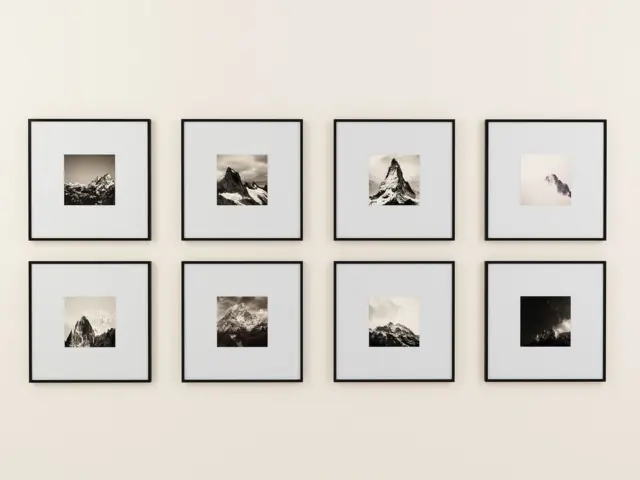
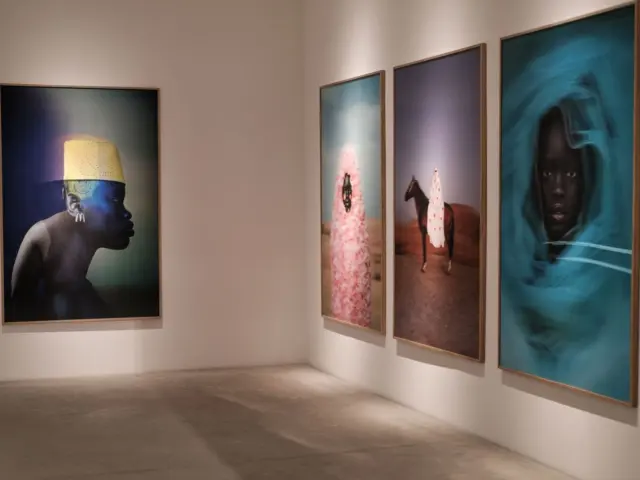
There is no required look. The same Photography Icon guide says the genre can be abstract or representational, black and white or color, documentary or fabricated. Seeing that range helps, so spend an hour with some fine art photography examples before you choose a direction.
It also helps to drop the myth of the lightning-bolt muse. Shotkit quotes Picasso on the point: “Inspiration exists, but it has to find you working.” Treat this as structured work, not a mood you wait for.
Steps to take before you press the shutter
Preparation is where beginners gain the most. These steps follow the order the sources suggest:
- Choose a subject you care about. Shotkit notes that fine art is not necessarily about a beautiful subject but about an idea you want to undertake.
- Research how other photographers have treated it, and borrow ideas from other arts such as literature.
- Write down your concept. Photography Icon suggests you write about it and sketch ideas before shooting.
- Plan the shoot: decide the light, the props and where you will find them, then organize the session.
The concept is the “why” behind the work. Ask what you want the viewer to think or feel, and let that answer guide every later choice.
Look at your own habits too. Photography Icon suggests collecting images that move you and looking for patterns, such as a pull toward solitude, decay or intimacy. Those patterns point toward your artistic direction.
Shoot, edit and sequence a first body of work
Fine art leans toward series rather than single frames. Photography Icon says a single photograph can be fine art, but the genre’s strength lies in bodies of work where each image adds to the whole.
For size, Expert Photography recommends collecting at least 10-15 images that are strongly related in some way a viewer can identify. Photography Icon agrees that a tight series of 10-15 images is more impactful than a loose collection.
Keep the first project simple. Expert Photography calls using one subject for an entire project a good start because it is easy to plan, gives more consistent results and lets you learn the basics.
When you shoot, treat technical settings as creative tools. The same source describes choosing 1/15th of a second to add the right amount of motion to the sea, where a faster speed would freeze it.
Expect several attempts. Shotkit says a project can take multiple tries before it comes out as you want, and that this is part of the process.
Editing is part of the craft, not an afterthought:
- Post-process with intent. Shotkit calls it the digital equivalent of developing and printing in film photography.
- Cull hard. Photography Icon’s advice is to edit ruthlessly.
- Sequence the images so they create a visual narrative or rhythm in order.
- Keep processing consistent within the series rather than chasing external standards of “correct”.
Write an artist statement and present the work
An artist statement explains what you do and why. Photography Icon says it is typically 100-300 words and accompanies exhibitions, portfolio submissions and grant applications. Plain, honest language works better than jargon.
Beginners can write theirs early. Expert Photography suggests starting a project with two or three sentences giving an overview, then explaining how those ideas appear in the images. A short statement written first also helps you reject images that drift from the idea.
Shotkit separates the statement from a bio or CV. It is the common thread through all your projects, not a list of achievements.
Presentation shapes how the work is read. Photography Icon points to print size, paper, framing and the way images relate on a wall. Matte papers suit quieter, more contemplative work, while glossy or metallic papers add vibrancy and impact.
When you are ready to show the work, Shotkit suggests visiting galleries or entering photo contests. It also notes that fine art prints are normally numbered and signed because they are limited editions, and the signature supports authenticity.
Beginner mistakes to avoid
Most early stumbles come from treating fine art as a style rather than an intention. Watch for these:
- Copying a style. Photography Icon advises studying others for inspiration, but letting your voice come from your own experiences, interests and worldview.
- Defaulting to monochrome. Expert Photography says to convert images only if it really adds value.
- Collecting random images instead of completing a body of work.
- Explaining the obvious in your presentation text instead of sharing what moved you.
Black and white is worth understanding rather than avoiding. Expert Photography says a majority of professional fine art photography is in black and white because it reduces distraction, and the guide to black and white fine art photography looks at when that choice earns its place.
Keep the goal in view as you practice. Photography Icon says the question is not whether an image is technically well executed but whether it expresses something meaningful, and that some celebrated fine art photographs break technical rules deliberately to serve their purpose.
Give yourself structure to keep going. Photography Icon recommends setting assignments, giving yourself deadlines and committing to complete bodies of work. That discipline, it says, develops your voice faster than anything else.
Frequently asked questions
Do I need to shoot a series, or is one photograph enough?
Show answer
A single photograph can be fine art, according to Photography Icon. The genre, though, emphasizes sustained exploration across several images, so a small series is the stronger starting point.
How many images should my first project have?
Show answer
Both Expert Photography and Photography Icon point to 10-15 related images. Choose images that a viewer can easily see as connected.
Does fine art photography have to be black and white?
Show answer
No. Photography Icon says the genre has no single visual style and can be black and white or color. Expert Photography advises converting to monochrome only if it adds value.
How long should my artist statement be?
Show answer
Photography Icon describes an artist statement as typically 100-300 words. For a first project, Expert Photography suggests starting with two or three sentences that give an overview.