Wondering how to blur water and clouds without ruining your shots? Long exposure photography means keeping the shutter open from about half a second upwards on a tripod, adding an ND filter in daylight.
This guide is part of a wider set of photography techniques for fine art photographers.
| Item | Value |
|---|---|
| Shutter speed of most ordinary photos | 1/60 to 1/4000 second |
| Where a slow shutter starts | Half a second (0.5 sec) and upwards |
| Typical long exposure length | At least a second, often tens of seconds |
| Handheld blur risk | Slower than about 1/60 to 1/15 second |
| Scouting time before shooting | At least one hour |
| Example waterfall exposure | 0.5 sec, f/16, ISO 100 |
These figures come from Finding the Universe and Capture the Atlas. They are guidelines that can change with the scene and the source, so check the source before you rely on them.
What long exposure photography actually does
A long exposure records everything that moves while the shutter is open. Finding the Universe says most photos are taken between 1/60 and 1/4000 of a second, while a long exposure usually lasts at least a second and often tens of seconds.
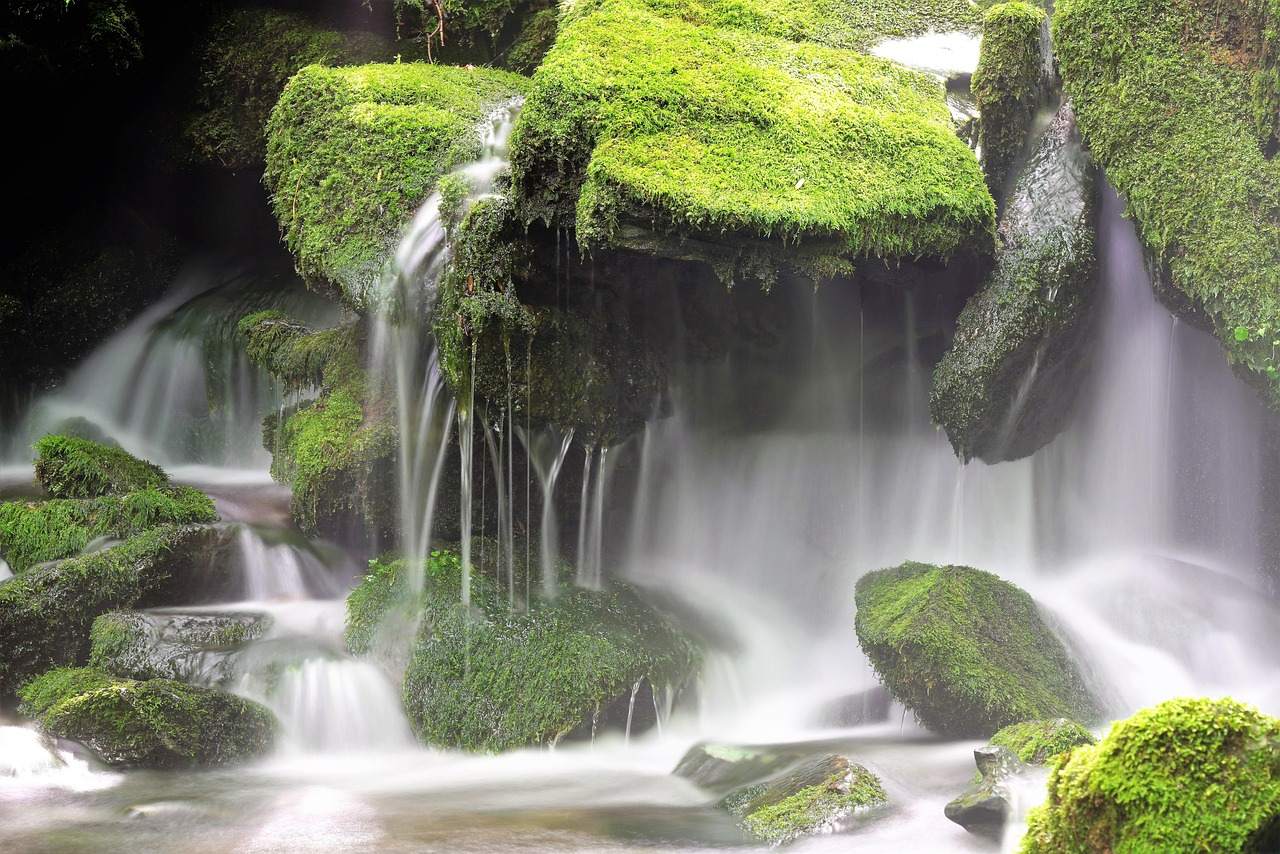
Capture the Atlas puts the starting point at half a second and upwards, with the camera on a steady tripod. Moving clouds, water and cars turn into soft streaks, while fixed objects stay sharp.
The same logic works at night. A long exposure gathers more light than your eye can, so the sky shows detail you could not see on the spot, as Capture the Atlas describes.
Gear you need for long exposures
You do not need much, but a few items are not optional. This is the short list:
- A camera with manual control: you need to set the shutter speed yourself, in manual mode, shutter priority or bulb mode.
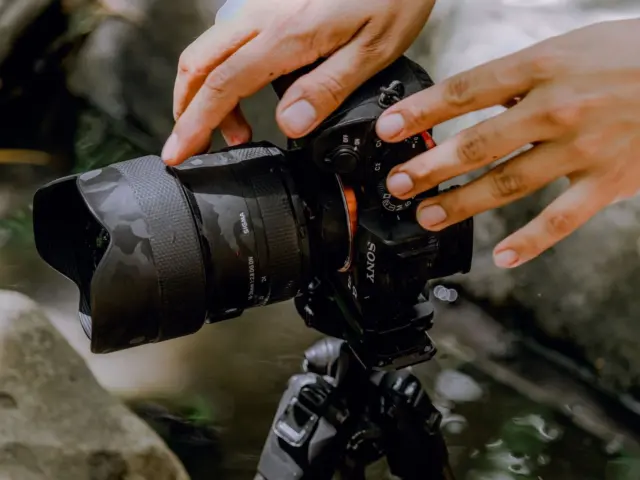
- A sturdy tripod: it holds the camera perfectly still for the whole exposure.
- Neutral density (ND) filters: dark glass that cuts the light so you can use a slow shutter in daylight.
- A remote shutter release: it lets you fire the shutter without touching the camera.
- A polarizing filter (optional): it removes reflections and deepens colours.
The tripod matters more than any other item. Finding the Universe notes that handheld shots slower than about 1/60 to 1/15 of a second tend to come out blurry, even with image stabilisation.
Some modern smartphones can also shoot longer exposures, either in the built-in camera app or in an advanced camera app, according to Finding the Universe. A dedicated camera still gives you more control.
In bright light the ND filter does the heavy lifting. Without one, Finding the Universe warns, even a shutter speed of around a second can flood the sensor and give an over-exposed photo.
Camera settings that work
There is no single rule, and you will build your own workflow with practice. This sequence is a reliable starting point:
- Scout the location and watch where clouds, tides and people will move.
- Set the camera on a sturdy tripod in a safe spot and compose the frame.
- Switch to manual or bulb mode and turn image stabilisation off.
- Focus carefully, then meter so the exposure reads zero.
- Take a test shot and check the histogram and the focus.
- If you use an ND filter, calculate the new shutter speed and mount the filter carefully.
Capture the Atlas suggests arriving at least one hour before you want to shoot. That gives you time to choose a spot and read the scene, and it recommends manual or bulb mode with stabilisation switched off.
Example exposures
| Scene | Settings |
|---|---|
| Skogafoss waterfall, Iceland | 0.5 sec, f/16, ISO 100 |
| Perth, Australia | 240 sec, f/11, ISO 50 |
| Night sky, Iceland | 3 sec, f/2.8, ISO 5000 |
These are example frames from Capture the Atlas, so treat them as starting points rather than recipes. The night frame uses a wide f/2.8 aperture and ISO 5000 to gather light quickly, while the others use narrower apertures and low ISO.
Bulb mode and ND calculators
Expert Photography explains that bulb mode keeps the shutter open for as long as you hold the button, and it advises a remote release to avoid camera shake. Light can also change mid-exposure, especially at dawn or dusk, so test shots matter.
An exposure calculator app such as PhotoPills works out the final exposure time for your ND filter, according to Expert Photography. You enter the shutter speed you measured without the filter, and it returns the adjusted time.
Subjects that suit long exposure photography
Wherever something moves, you have a subject. These are the classic choices:
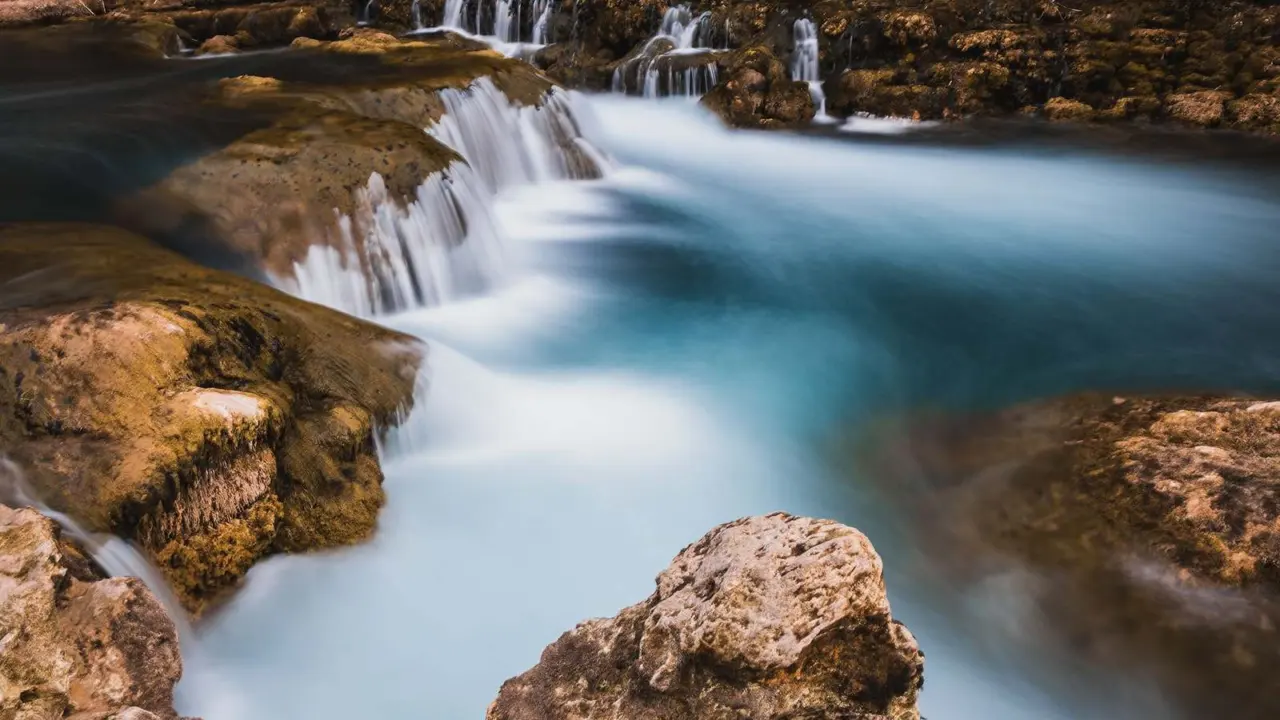
- Waterfalls and waves: a slow shutter smooths them into a silky, ethereal flow.
- Clouds: they stretch into streaks that add texture and mood.
- Busy roads at night: passing cars become colourful light trails.
- The night sky: stars and the Milky Way appear with more detail than the eye sees.
- Light painting: flashlights or sparklers draw shapes while the shutter is open.
Expert Photography calls waterfalls classic long-exposure subjects and suggests busy roads at night for light trails. It also recommends light painting with flashlights or sparklers.
The difference is easy to see on a waterfall. Finding the Universe compares a 1/160 second frame with an 8 second frame of the same Iceland waterfall, and the longer one turns the water soft.
Star trails follow the same idea. In the same guide, a 30 second frame shot in Morocco shows pinpoint stars, while a 961 second frame lets Earth’s rotation pull them across the sky, as Finding the Universe shows.
How do you avoid common long exposure mistakes?
Most failures come down to a handful of causes:
- Camera shake: use the tripod and a remote release.
- Stabilisation left on: switch it off once the camera is on the tripod.
- Overexposure in daylight: add an ND filter and check the histogram.
- Changing light: take test shots again if dawn or dusk light shifts.
- A weak composition: blur does not rescue a cluttered frame.
On that last point, Expert Photography notes that bulb mode can make bad compositions more evident. The guide to rule of thirds photography shows one simple way to place a waterfall, horizon or road in the frame.
File format is another choice to make before you leave home. Our comparison of raw vs jpeg lays out how the two formats differ, so you can decide which suits your editing.
Frequently asked questions
What shutter speed counts as a long exposure?
Show answer
Sources vary, but Capture the Atlas starts from half a second upwards. Finding the Universe says long exposures usually run at least a second and often tens of seconds.
Do I always need an ND filter?
Show answer
No. At night or in dim light the scene is dark enough for a slow shutter without one. In daylight, an ND filter cuts the light so a long shutter does not over-expose the image.
Can I shoot long exposures handheld?
Show answer
Not reliably. Finding the Universe says speeds slower than about 1/60 to 1/15 of a second tend to blur, so use a tripod.
Can a smartphone do long exposure photography?
Show answer
Some can. Finding the Universe notes that some modern smartphones offer longer exposures through the built-in app or an advanced camera app.
Why do stars turn into trails?
Show answer
The Earth rotates during a long exposure. In a 961 second frame, Finding the Universe shows the stars seeming to move across the sky.