Film photography for beginners can feel daunting if you only know digital. The short answer: buy a used SLR camera, stick with one film until it feels natural, and let a lab develop your first roll.
This guide sits in the photography techniques section of the site, which covers the wider craft.
| Item | Value |
|---|---|
| Inexpensive 35mm SLR with a lens | $30 – $100 |
| One roll of 35mm black and white film | $8-10 |
| Processing and scanning that roll | $15-20 |
| Main film types | 3 (black and white negative, colour negative, slide) |
| Images on a roll of 120 in a 645 camera | 15 images |
The figures come from EMULSIVE’s 35mm guide and Light Stalking’s beginner guide. Prices can change, so check the sources before you rely on them.
Which camera suits film photography for beginners?
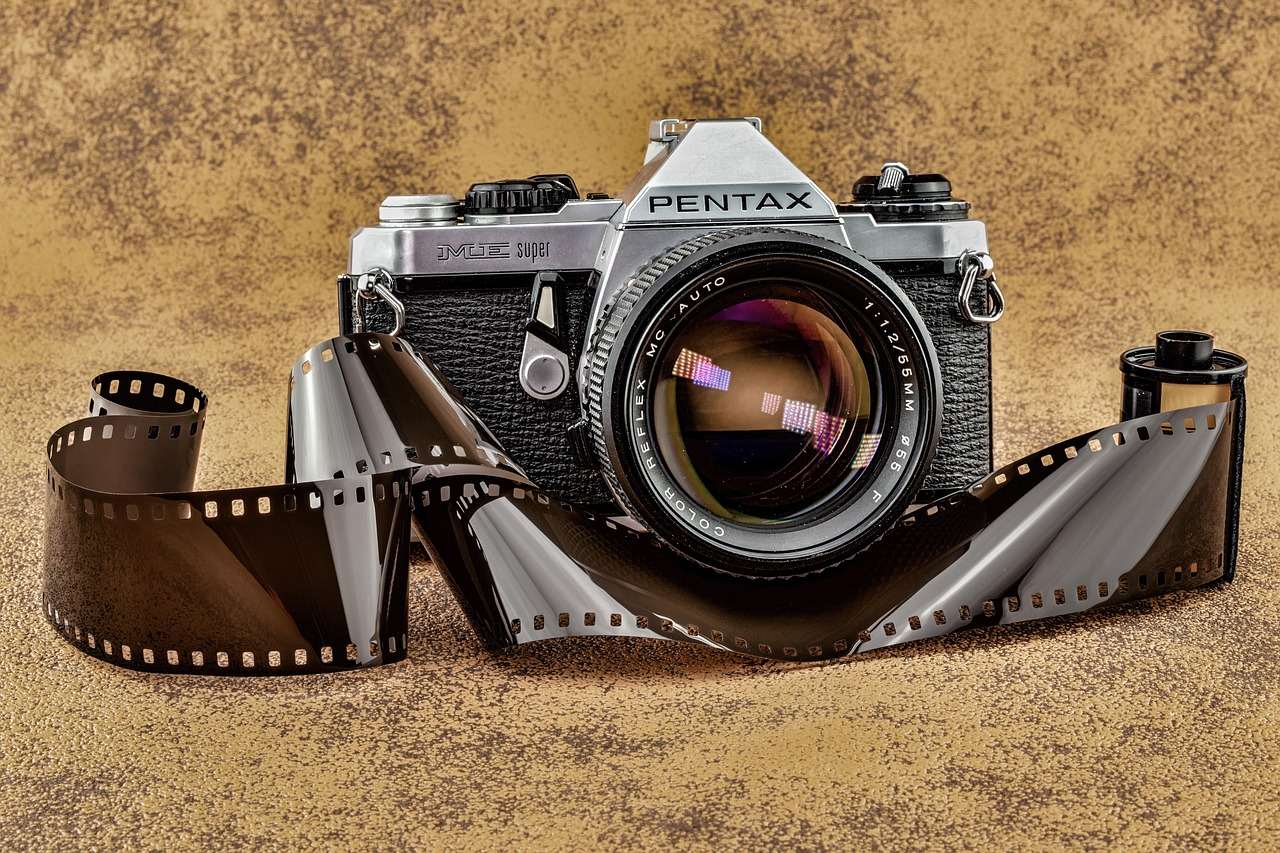
The easiest first camera is a 35mm SLR. Light Stalking’s May 2025 guide strongly recommends one for a newcomer, and EMULSIVE’s guide recommends the 35mm format because the cameras are cheap and plentiful and can deliver great results.
On budget, EMULSIVE’s guide (published in 2019 and updated in 2021) says you should be able to get started for $30 – $100. Light Stalking adds that the revival of film has pushed second-hand camera prices up significantly, though they remain bargains next to modern mirrorless cameras. Treat any price as a rough guide and compare live listings.
SLRs fall into two broad eras, and the difference matters if you are used to digital handling:
- Before the 1990s, cameras were mainly manual focus and manual film wind, with fairly rudimentary exposure meters and modes.
- The 1990s brought features familiar from modern cameras, such as matrix metering and autofocus, and often a built-in motorised film advance.
- As an example of a late model, EMULSIVE’s guide says the Nikon N75/F75 often goes for about $35 on eBay including a kit zoom lens. That is a 2019-era price, so it may have moved.
Both sources agree that you should inspect a camera before you commit. Light Stalking’s list of faults to look for is short and practical:
- Light leaks.
- Slow running shutters.
- Electrical issues.
- Signs of wear on the body, plus scratches and fungus on the optics, according to Parallax Photographic.
Where to buy is a point of disagreement. Light Stalking says to buy from a reputable used dealer rather than eBay or a marketplace, while Parallax, a film retailer, calls eBay the best place for affordable second-hand cameras if you apply standard seller checks. EMULSIVE also suggests considering a service (CLA: cleaning, lubrication, adjustment) once the camera is in your hands.
Film formats and film types explained
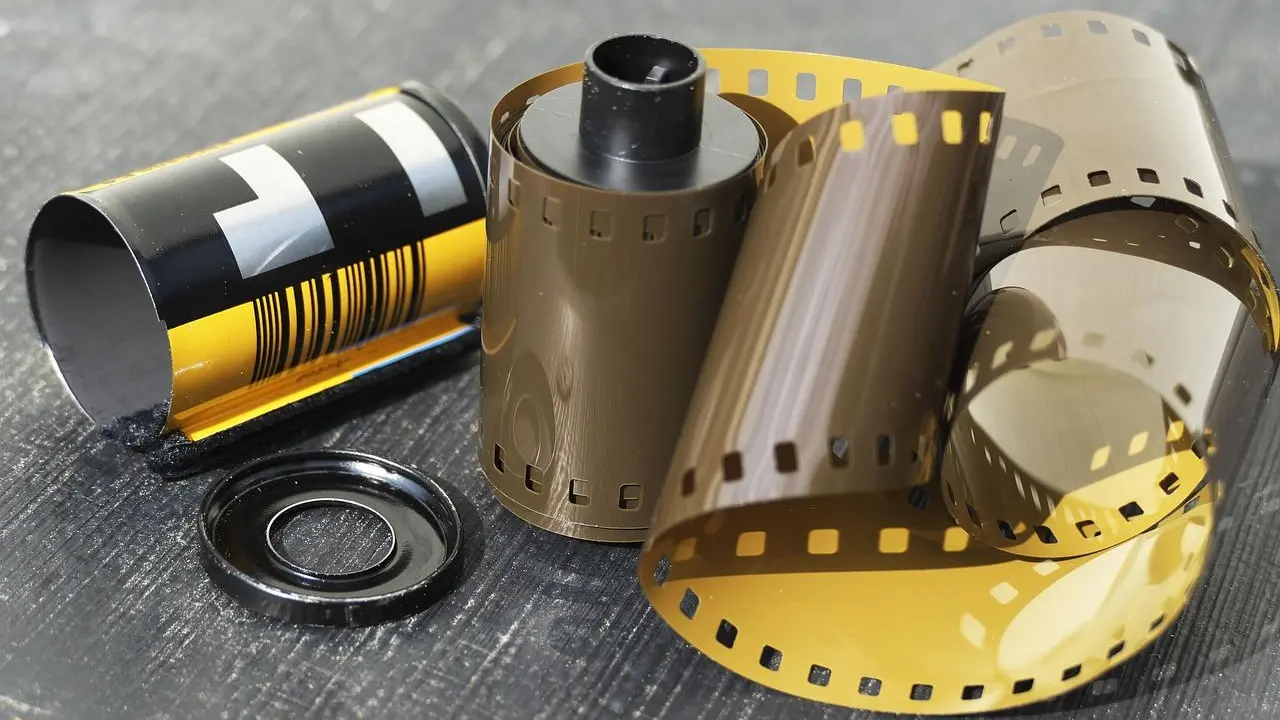
Film format is the size and shape of the film itself, and it has to fit your camera. Parallax lists the most common formats as:
- 35mm (also called 135)
- 120, also known as medium format
- 4×5, a large format
Parallax recommends starting with 35mm because it is quick and easy to load, and EMULSIVE adds that 35mm offers the widest choice of available film. Medium format is a step up in cost and complexity: according to Light Stalking, the smallest medium format cameras are 645 and take 15 images on a roll of 120.
Next comes the type of film. Light Stalking breaks photographic film into three main types:
- Black and white negative film.
- Colour negative film, which has an orange base.
- Colour transparency film, also called slide film.
Slide film is much less tolerant of incorrect exposure than negative film, which makes it a poor choice for a first roll. Analogue Wonderland, another film retailer, focuses on colour and black and white negatives for beginners because they are easy to get hold of and developing them is far simpler.
Choosing your first film stock
Film speed, also called ISO, matters more on film than on a digital camera. Parallax recommends a 400 ISO film to start with, describing it as about the middle of the sensitivity scale and probably the easiest place to begin; you can read its reasoning in its beginner guide.
The same guide suggests a few starting stocks:
- Black and white: Kentmere 400, which it says has a good tonal range and latitude.
- Colour: Kodak Colorplus 200, which it calls really affordable and a good way to give yourself room to make mistakes.
- Popular all-rounder: Fuji Superia 400 for colour.
Remember that Parallax sells these films, so its picks reflect its own range. Treat them as reasonable starting points rather than the final word, and choose between colour and black and white by what you enjoy shooting.
Budget for the running cost as well as the camera. Light Stalking’s May 2025 guide says you will typically pay $8-10 for a roll of 35mm black and white film plus $15-20 for processing and scanning, and it notes that film and processing are relatively expensive compared with the film era (source).
EMULSIVE’s advice is to keep things simple and stick with one camera and film until you are comfortable with the process. That makes your results easier to compare from roll to roll.
Shooting your first roll
A film camera will feel different from a digital one. Light Stalking says the viewfinder is bright but the information in it is severely lacking, often just an exposure scale, and that loading film takes some practice (Light Stalking).
A simple routine for a first roll looks like this:
- Load the film slowly and carefully, and expect to need a little practice.
- Set the camera to the film’s rated ISO, because the speed is fixed for the whole roll.
- Read the exposure scale in the viewfinder before each frame.
- Finish the roll before you judge the results.
Light Stalking points out that a film has a speed rating such as 100, 200 or 400 ISO and the camera must be set to it. Unlike a digital camera, you cannot change ISO from one frame to the next.
A roll holds a limited number of frames, which pushes you to slow down and choose each shot. That deliberate pace suits the restraint of minimalist photography, if you want a subject to practise on.
Developing and scanning: a simple film workflow
Once the roll is shot you can send it to a lab or develop it yourself. Parallax says mini-labs tend to be quick but are not the cheapest or the most reliable, so they are a fallback if they are your only option.
Home development is realistic for beginners, with caveats. Light Stalking says black and white is the easiest to process at home, and EMULSIVE suggests a monobath developer for black and white and a complete development kit for colour (EMULSIVE).
The usual hybrid workflow runs in four steps:
- Shoot the roll on film.
- Have it developed by a lab, or develop it yourself.
- Scan the negatives to view and share them on your computer or phone.
- Store the originals safely.
EMULSIVE describes this path as ending with processed film that you digitise. It advises considering which film formats you may want to scan in future before buying a scanner, and notes that your local library may be able to scan film for free.
Look after the negatives, because they are your originals. EMULSIVE recommends processing to archival standards and organising them in archival sleeves. Once you have scans, the file-format trade-offs discussed in raw vs jpeg apply to them like any other digital image.
Frequently asked questions
What is the best 35mm film for beginners?
Show answer
Parallax recommends a 400 ISO film to start with, naming Kentmere 400 for black and white and Kodak Colorplus 200 for colour, with Fuji Superia 400 as a popular all-rounder. Source: Parallax Photographic. Its recommendations come from a film retailer, so compare other views too.
How much does a first roll of film cost?
Show answer
Light Stalking’s May 2025 guide gives $8-10 for a roll of 35mm black and white film plus $15-20 for processing and scanning. The camera is extra: EMULSIVE says $30 – $100 for an inexpensive SLR and lens, based on a guide published in 2019 and updated in 2021. See Light Stalking and EMULSIVE, and expect prices to differ.
Can you develop film at home?
Show answer
Yes. Light Stalking says black and white is the easiest to process at home, and EMULSIVE suggests starting with a monobath developer for black and white film. For colour film, EMULSIVE suggests a complete development kit: EMULSIVE’s guide.
Do you need a scanner to start?
Show answer
No. EMULSIVE says to consider the film formats you may want to scan before buying a scanner, and that your local library may scan your film for free. You can also have a lab scan your film, as the processing-and-scanning figure from Light Stalking suggests.